Updated June 29, 2025 11:27PM
If you buy through our links, we may earn an affiliate commission. This supports our mission to get more people active and outside.Learn about Outside Online's affiliate link policy
These 11 Self-Help Books Prove the Genre is Anything But Cringe
Put your own oxygen mask on first.

All self-help books are written with the intention to expand your perspective and support you on a lifelong exploration of your relationships, past, potential for healing, and inner world. But perhaps the best self-help books also encourage vulnerability, self-acceptance, even adventure.
From actionable how-tos to mythology and allegory, the following self-help books aid in the transformation of yourself and the way you inhabit the world. After all, being human can be a complicated endeavor. These how-to manuals, recommended by our editors, can help.
11 Best Self-Help Books For a Transformative Read
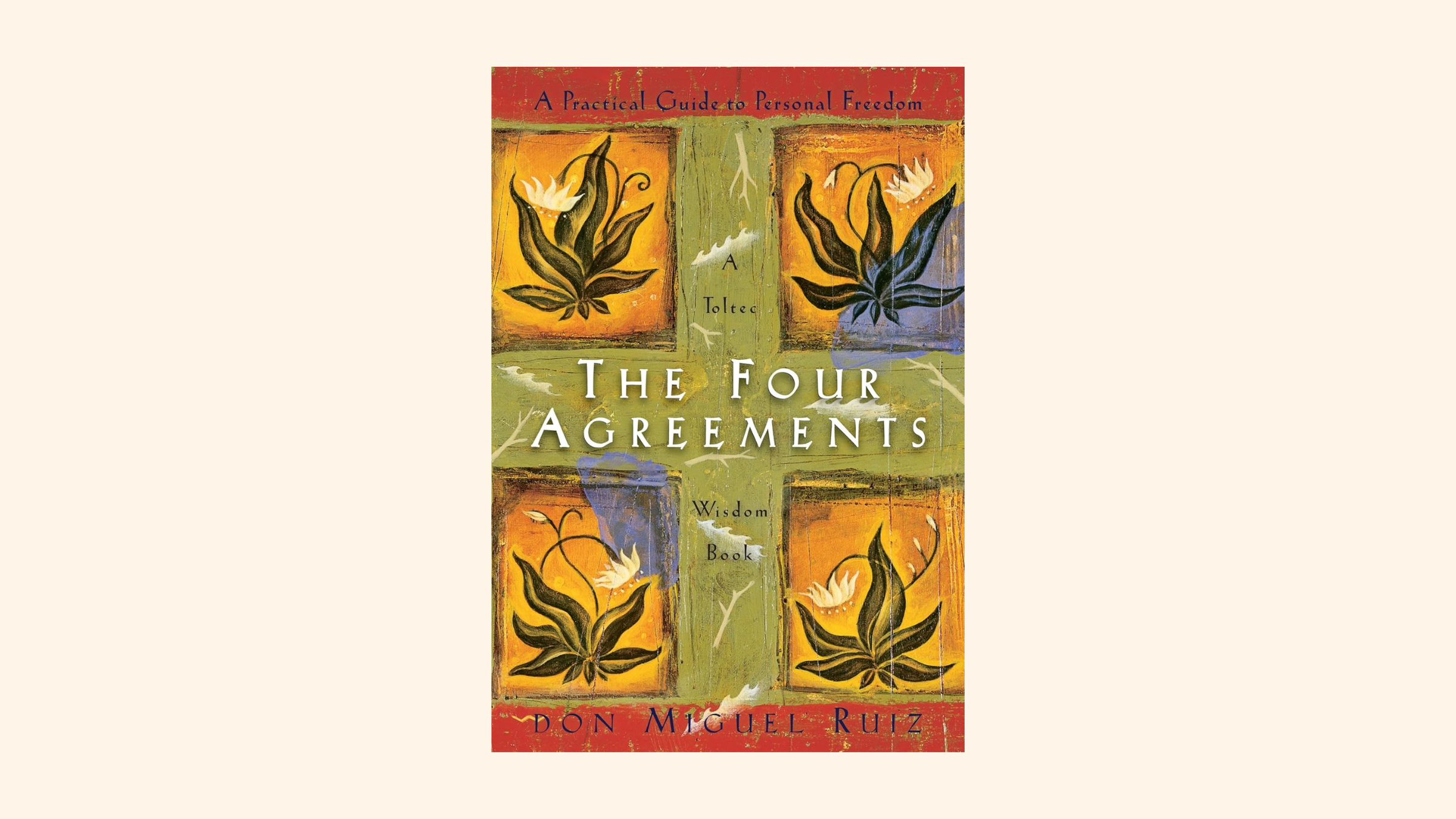
1. The Four Agreements
“I have long felt that this book and its four precepts distill all the other noise and advice in the world down to the most essential.”
Author Don Miguel Ruiz draws on the ancient wisdom of the Toltecs, a Mesoamerican culture prominent from 950 to 1150 CE, to create four principles by which to live your life. From telling the truth to striving not to take the actions of others personally, Ruiz’s suggestions are simple but far from easy. The author relays the suggestions in a non-preachy way, transmuting overwrought psychological concepts into steps that can be remembered and implemented.
At the core of all of Ruiz’s work is the essential awareness: It’s not always about you.
ADVERTISEMENT
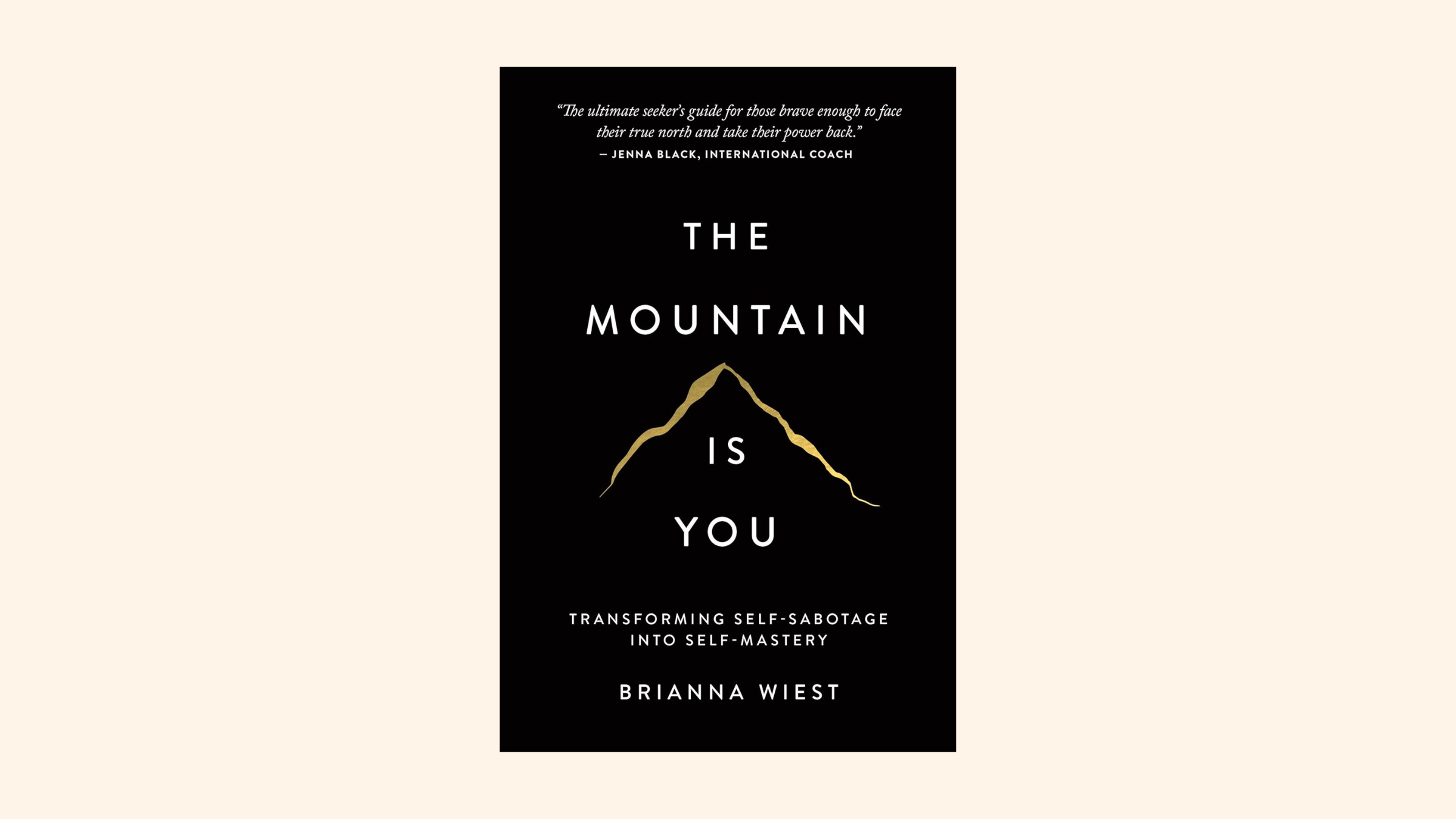
2. The Mountain Is You: Transforming Self-Sabotage Into Self-Mastery
“It’s written in an almost lyrical, relatable, ‘I see you/I feel you/I am you’ sort of way.”
In contrast to The Four Agreements, this book reminds you that it is all about you—at least in a certain sense. Rather than focusing on external obstacles, Brianna Wiest posits that you and your self-sabotaging inclinations may be responsible for some of the difficulties you face. Using the time-honored archetype of the mountain, Wiest discusses how to better tolerate, find strength in, and even enjoy the climb, also known as your life.
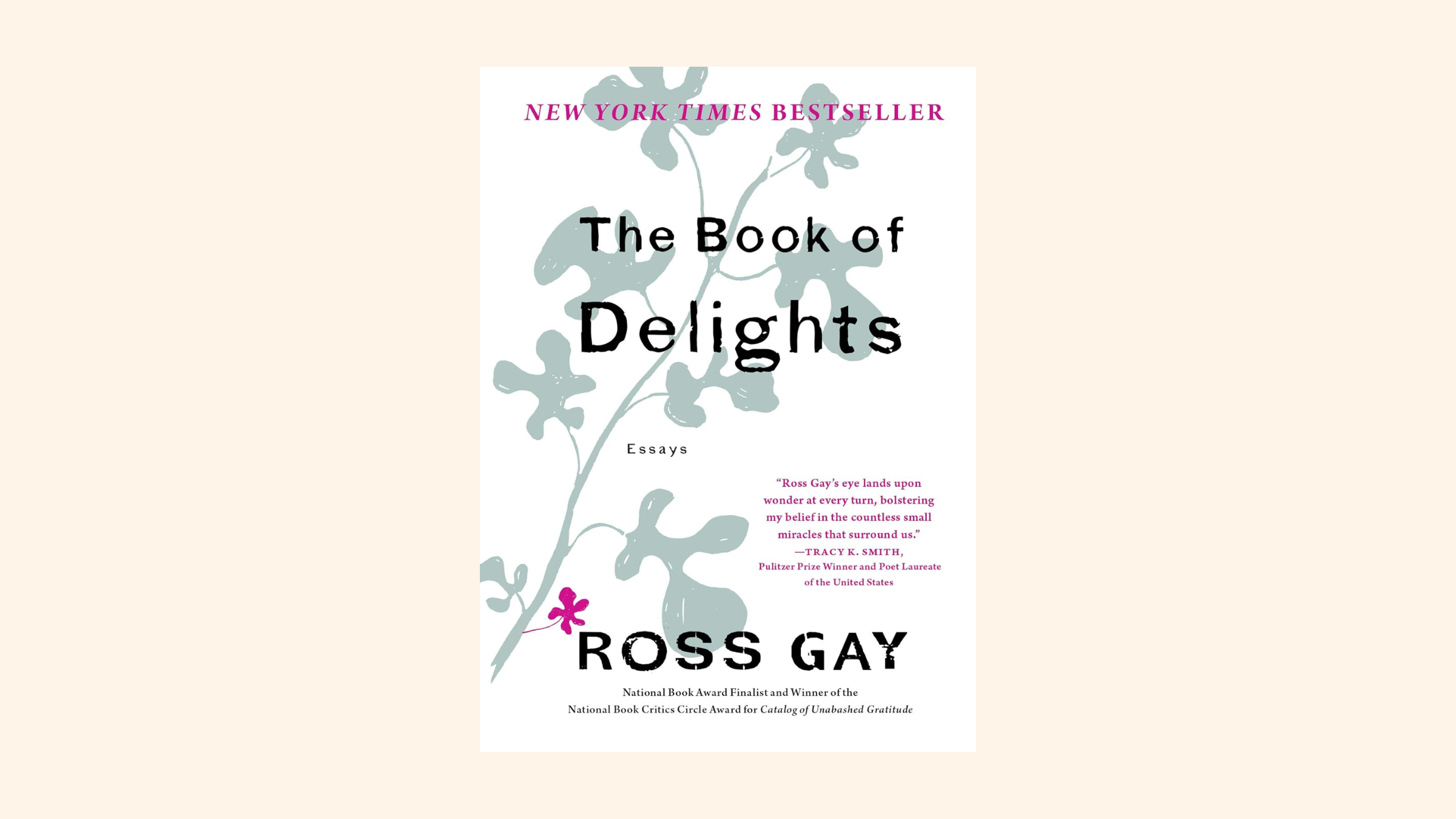
3. The Book of Delights
“Ross Gay’s musings help alert you to the lightness of life that may be escaping your attention.”
Self-help books tend to focus on our weaknesses or wounds, which is an essential part of healing. But why not discuss our joy? Such is the position of Ross Gay, who poetically describes a year’s worth of delights—small instances that lit something up within him—to demonstrate how rich life is if you take the time to pay attention.
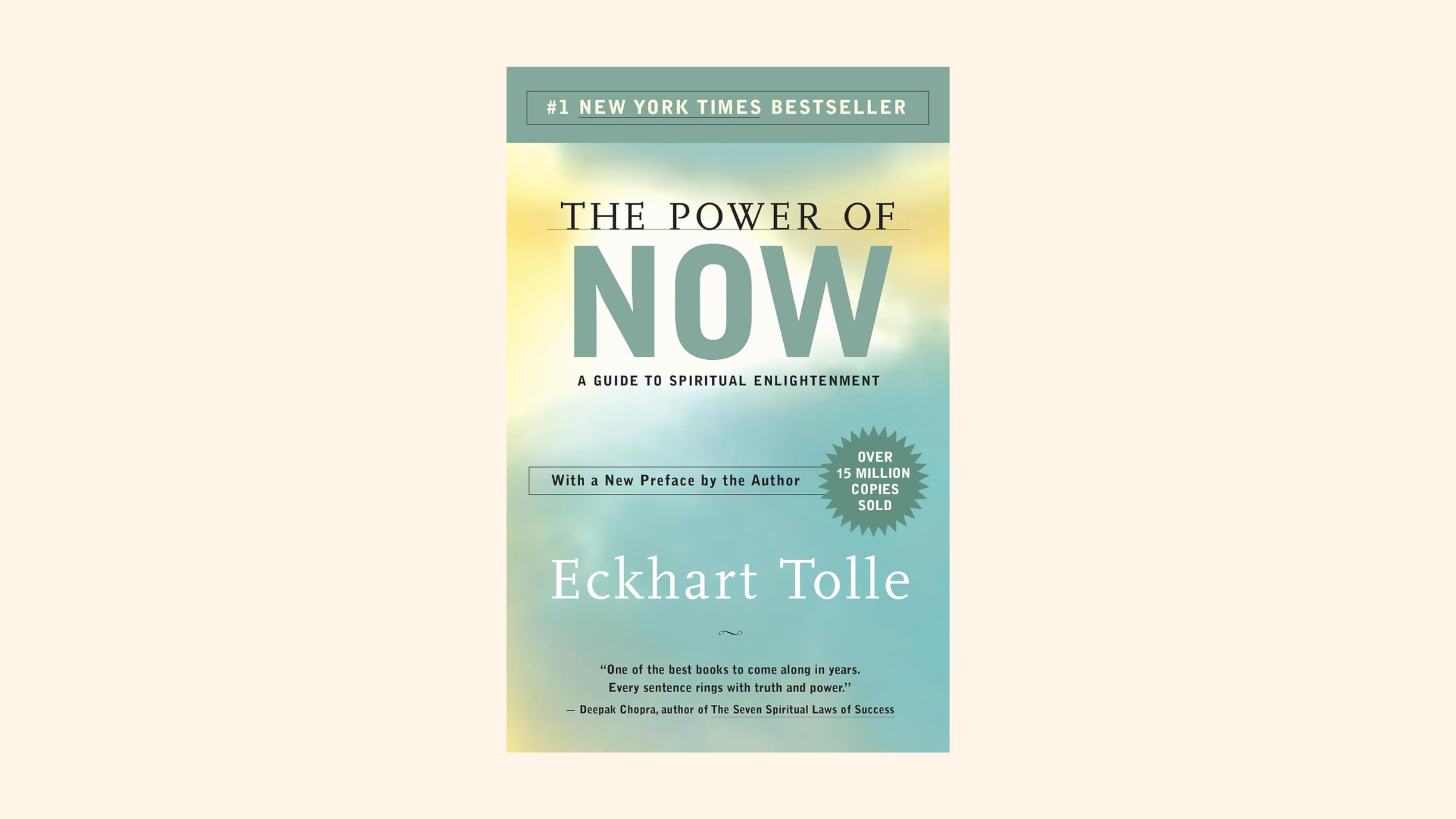
4. The Power of Now
“I open it randomly to a page, read a sentence or a paragraph, and that becomes my mantra or focus for the moment, the hour, or the day that I’m in need, there for me to repeat to myself.”
Who is the You observing your thoughts? This simple and revelatory thought serves as the basis of all of Eckhart Tolle’s work, including his first book, The Power of Now. Throughout, Tolle discusses the concept of presence and invites you to get out of your own way to the betterment of your experience and that of those around you. Developing an awareness of your thought patterns and learning to observe rather than identify with your ceaseless stream of consciousness allows you to make room for gratitude and authentic living.
ADVERTISEMENT
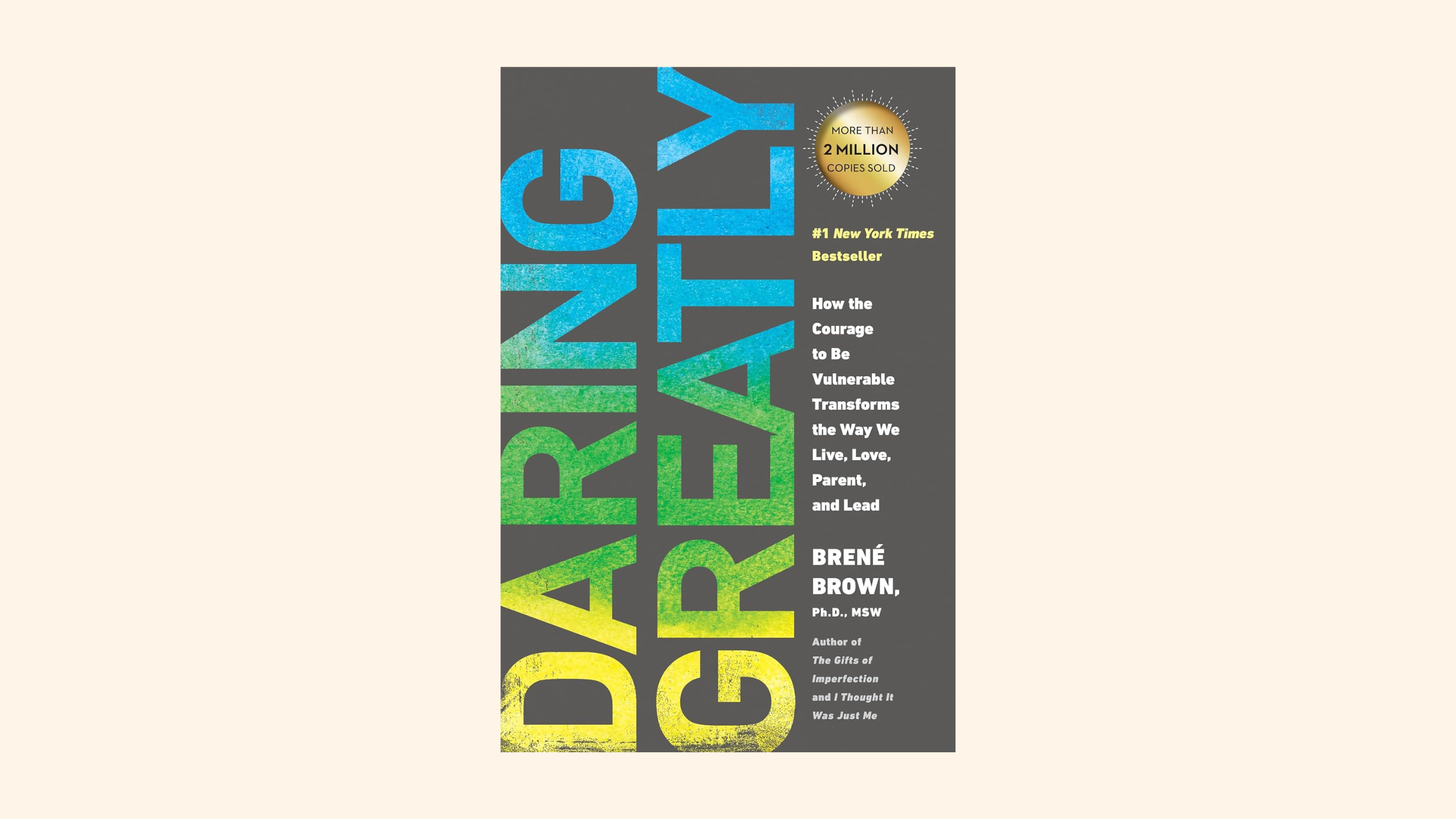
5. Daring Greatly: How the Courage to Be Vulnerable
“This book was one of the cornerstones of my yoga teacher training. Because from yoga to relationships, isn’t vulnerability what it’s all about?”
At the heart of the human experience is vulnerability. Still, it’s a skill, one that often has to be relearned after life events cause you to build walls and protections and other self-defenses. Inspired by Brené Brown’s extremely popular TED Talk, Daring Greatly asks that you reframe vulnerability as an act of fundamental strength and courage, one that’s essential to a full, connected, and fulfilling life.
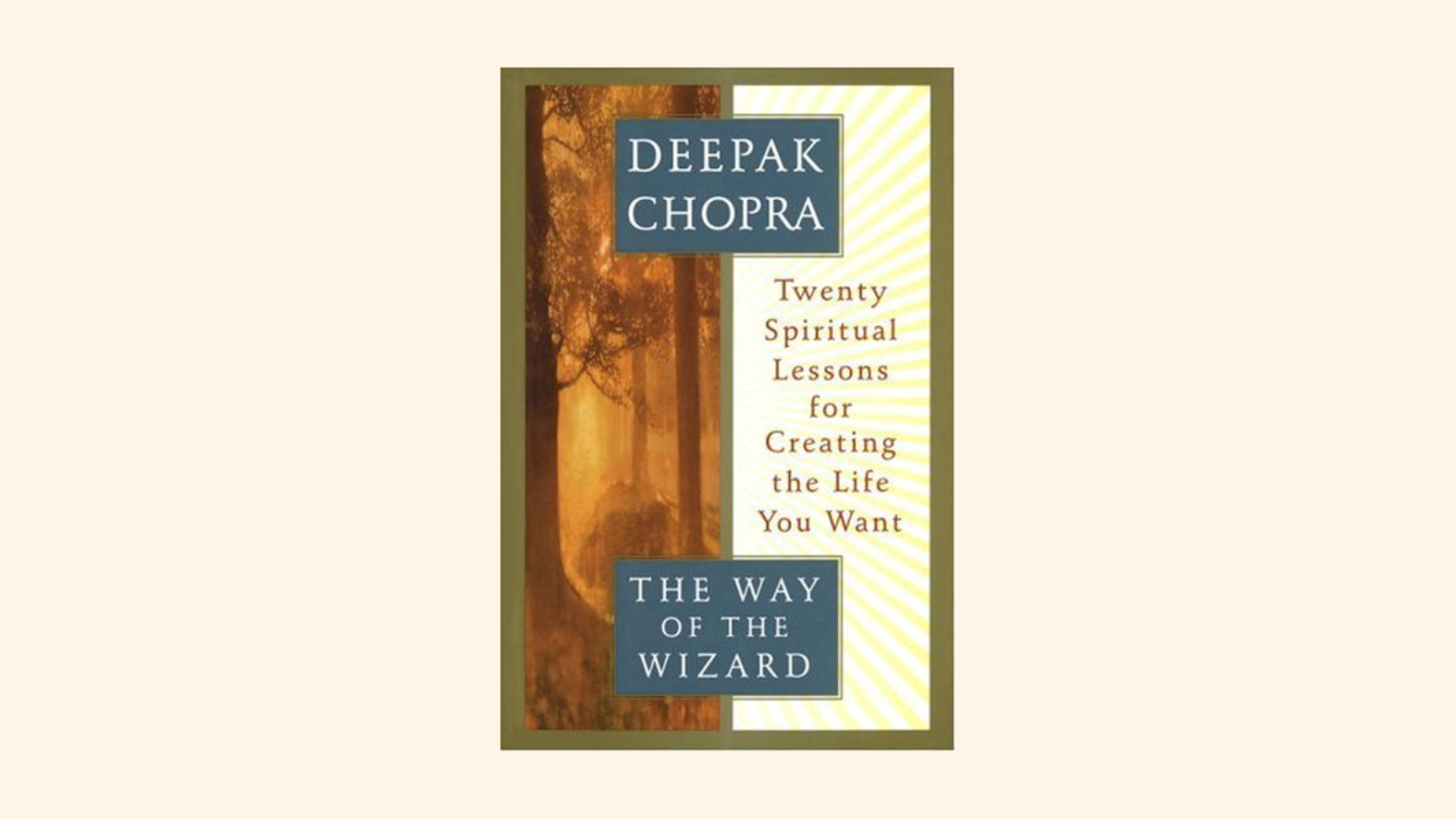
6. The Way of the Wizard: Twenty Spiritual Lessons for Creating the Life You Want
“There was a time when I, a New Yorker moving and thinking at an urban pace, would open this book each morning and read a passage that was set centuries prior. I could feel my awareness expand.”
This early work by Deepak Chopra is among his most powerful. The insights and lessons are shared through allegory and loosely based on the Arthurian legend of a wizard and his apprentice. The metaphors and tools merge in a manner that explores how a shift in perspective can alchemize your life into a magical, spiritual, or at least more self-aware journey.
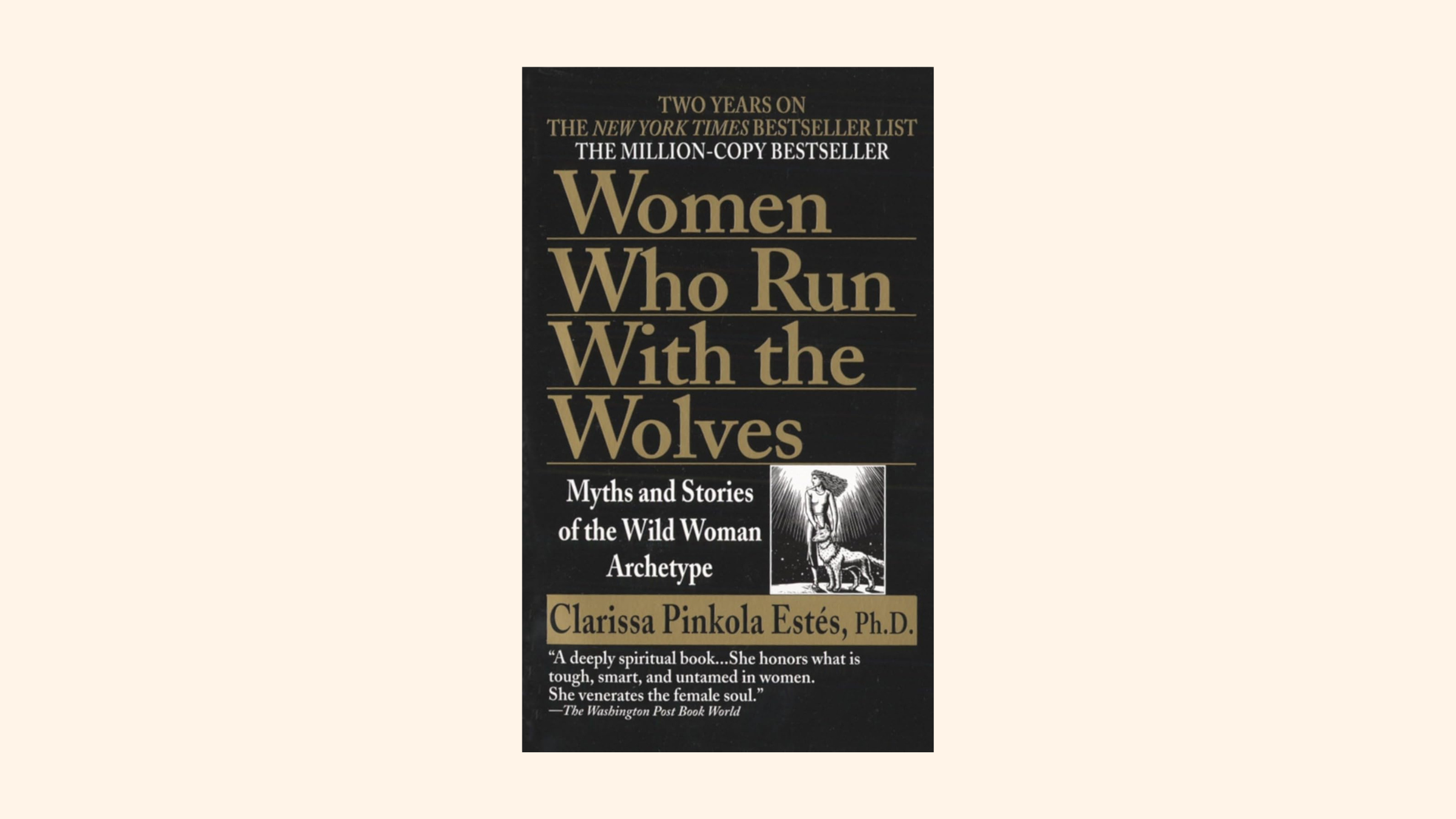
7. Women Who Run With the Wolves
“This book addresses a lot of the common ‘traps’ of modern life that we fall into.”
The strength and sovereignty of womanhood are celebrated in this text, which seems to surge in popularity every few years as a younger generation discovers it. Clarissa Pinkola Estés uses mythology, archetypes, folklore, and more to help women understand and connect with their instinctual nature. The author posits that within each of us is a “wild woman” who has been tamed throughout centuries of societal conditioning. Through ancient stories and psychology, Estés strives to remind readers that they are powerful, fierce, and essential—and deserving of a life led in whatever manner she chooses.
ADVERTISEMENT
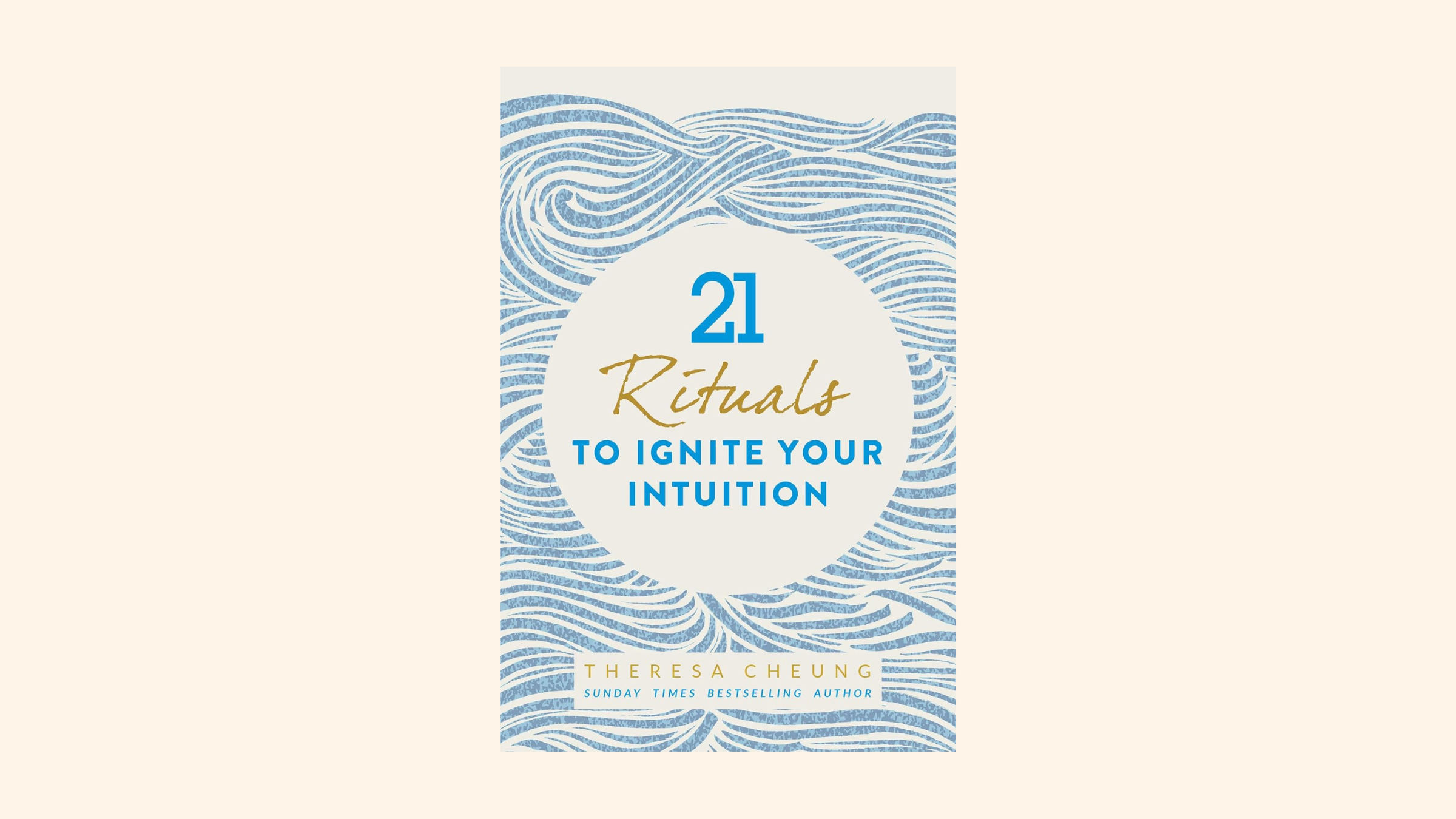
8. 21 Rituals to Ignite Your Intuition
“I literally can’t brush my teeth without thinking of this book because she talks about how to ritualize it.”
Your daily rituals are more than a mandated slog of chores. Theresa Cheung uses simple and actionable directives to demonstrate that your everyday actions (and the ways in which you execute them) are directly connected to your intuition. She offers suggestions throughout the book, encouraging readers to approach even the most mundane activities as opportunities to connect with yourself more deeply.
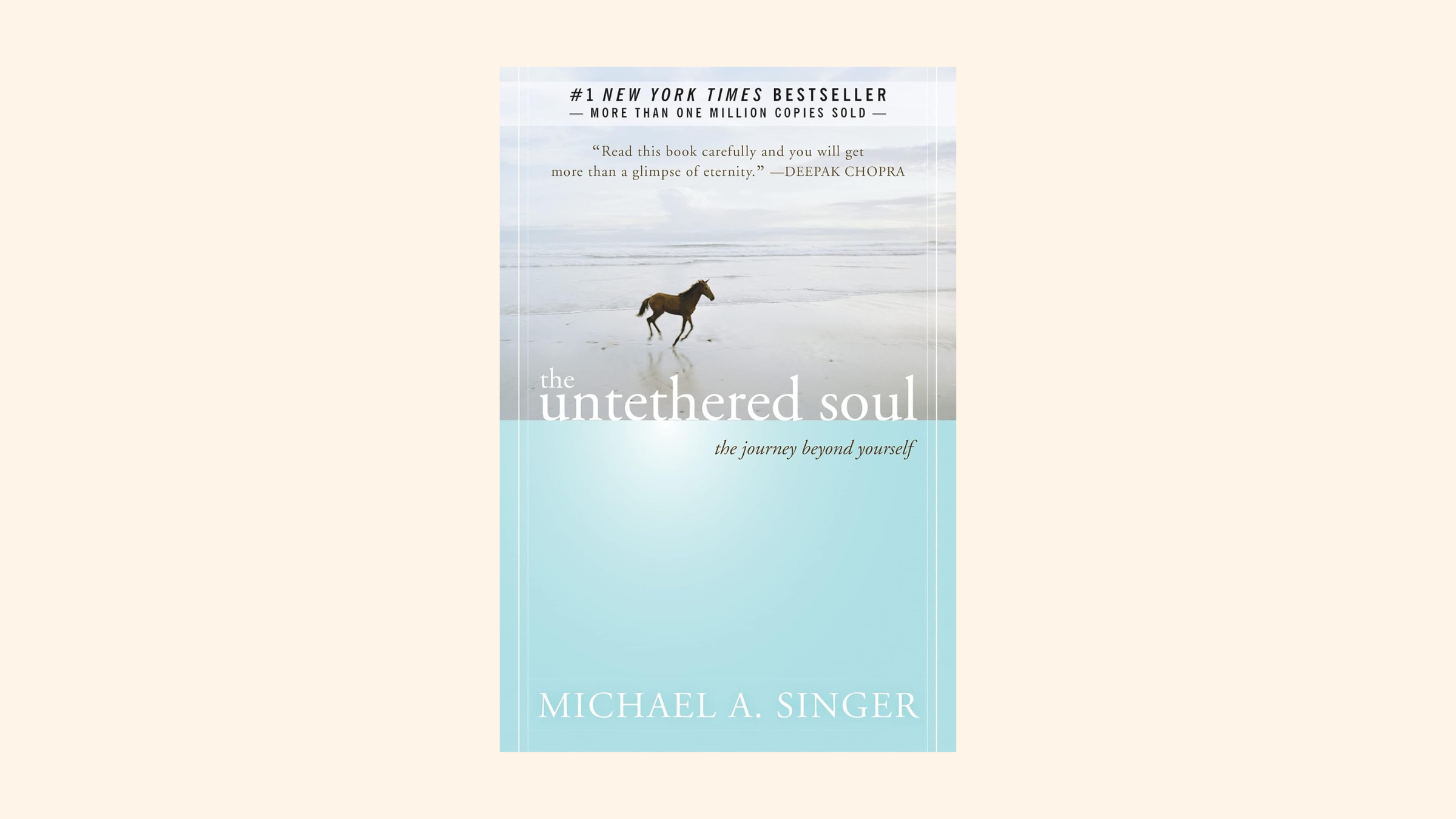
9. The Untethered Soul: The Journey Beyond Yourself
“My copy of this book is filled with highlighted passages and ample annotations.”
Boundaries with others figure heavily in pop psychology—but what about the boundaries we purposefully or unconsciously place on ourselves? Michael Singer uses the lenses of meditation and mindfulness to address your emotional and mental blocks and urge you to remain open to life.
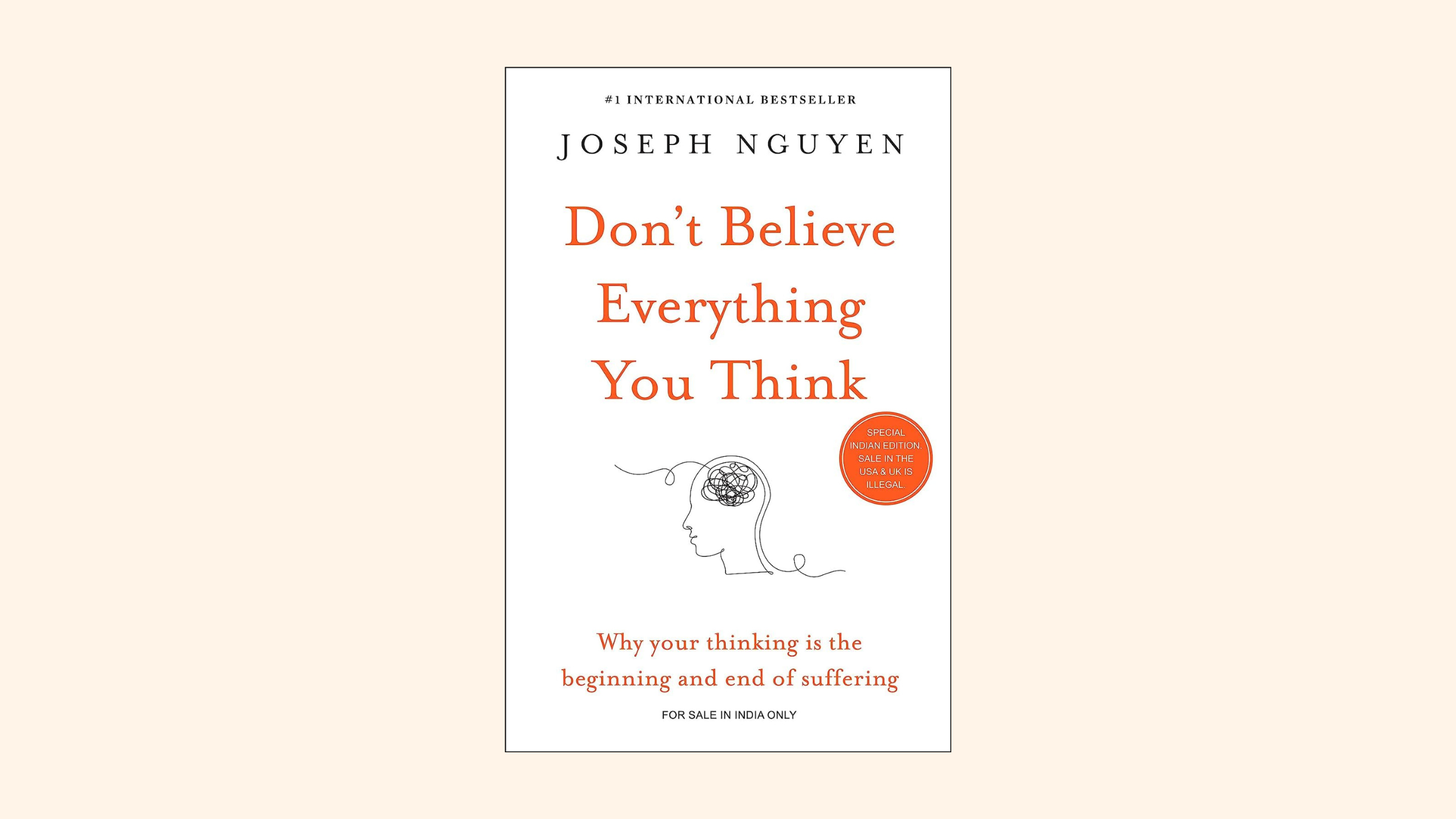
10. Don’t Believe Everything You Think
“Really refreshing, especially in an age when we’re constantly bombarded by our own thoughts as well as those of other people.”
As with Tolle’s work, this book from Joseph Nguyen deals with the You that’s hiding behind—or being suffocated by—your thinking self. The dictate is in the title. Throughout the work, the author suggests that rather than overhauling your life or behavior, you try to understand how your mind works. This act alone has the potential to reframe your entire experience.
ADVERTISEMENT
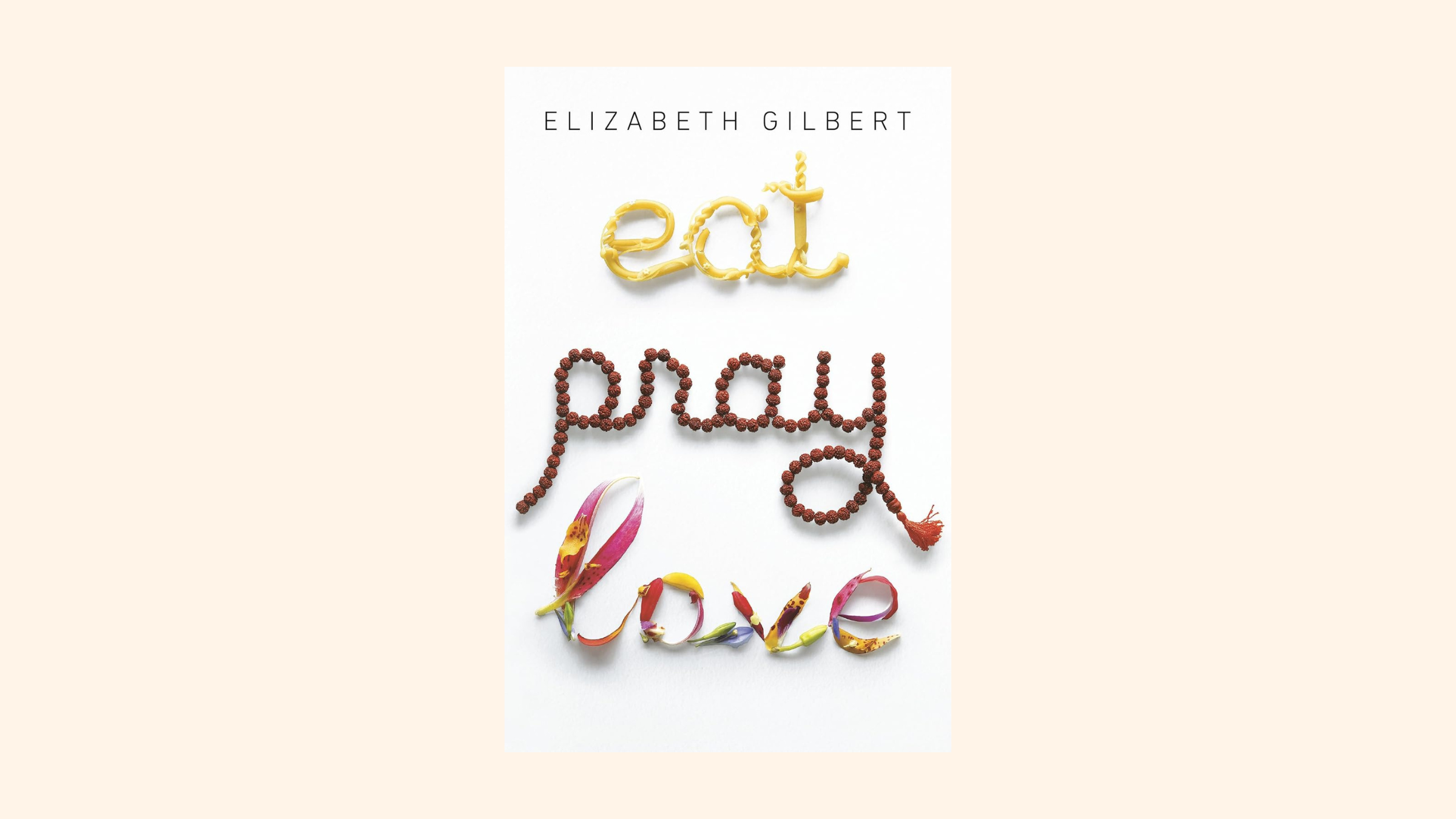
11. Eat Pray Love
“Elizabeth Gilbert’s ability to thoroughly excavate her experience is aided by a journalistic background and a self-deprecating candor. Her authenticity makes me want to be authentic, too.”
Listen, Gilbert’s book is a bestseller for a reason. Though often written off as chick lit, Eat Pray Love was ahead of its time and provided a permission structure for humans (predominantly women) to step off the societally approved path as they seek themselves. To follow her journey from Italy to India to Bali is to learn that we all struggle with the same sorts of shame, confusion, self-doubt, and identity crises in different flavors and to different extents. It’s also a reminder that healing is both a verb and a mission—one that can be fun and not just difficult to carry out.
