Updated August 2, 2024 12:17PM
Is It Bad to Hold Your Pee During a Yoga Class?
Do you stay or do you go?
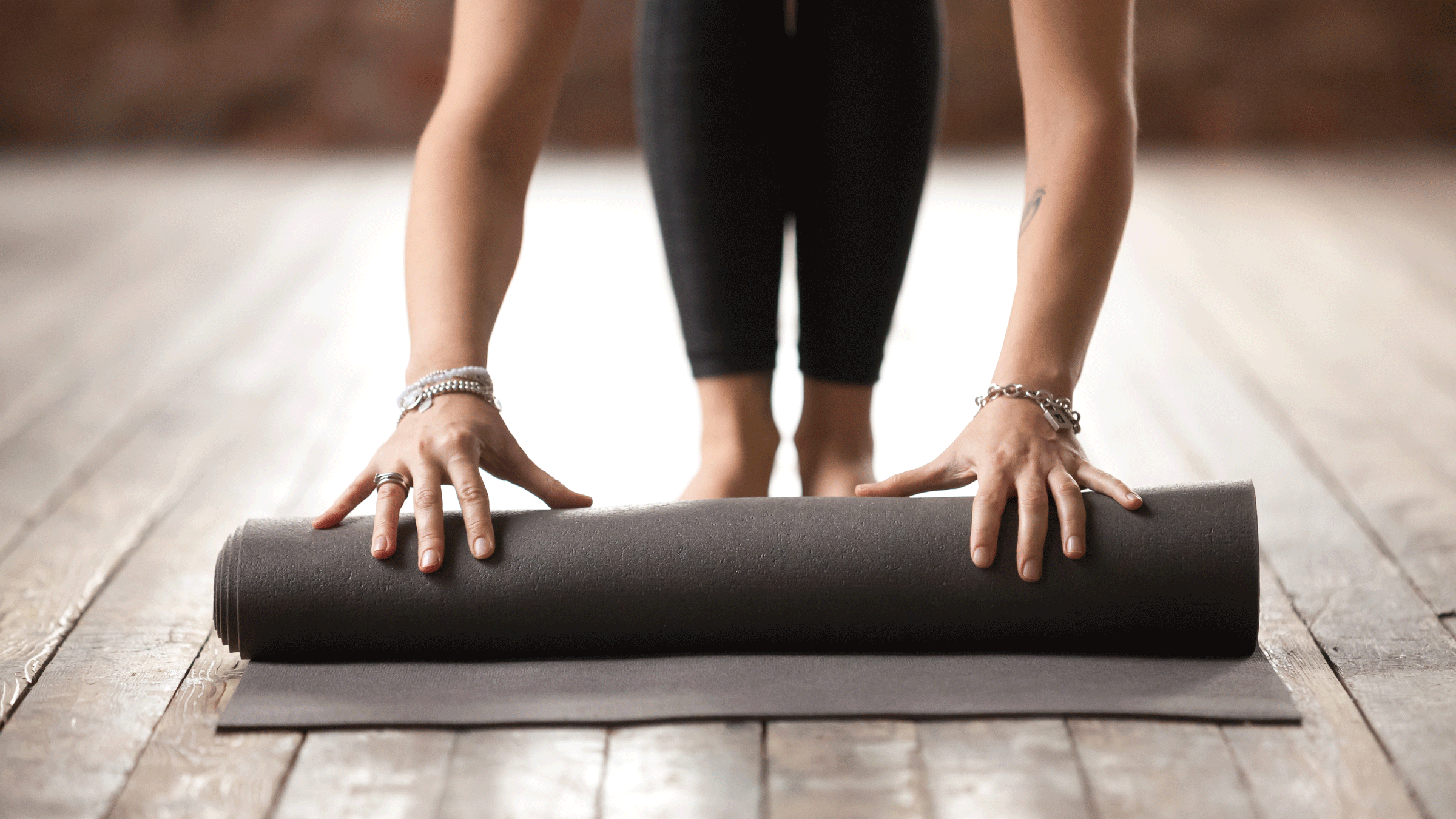
(Photo: fizkes | Getty )
We’ve all experienced that moment when you transition into a yoga pose during class, and suddenly, you really have to pee. In my personal experience, four-letter expletives tend to cascade through my head as I decide whether to leave the room or wait it out. Will I disrupt the class if I get up to leave? Am I risking a urinary tract infection from holding it too long? Am I about to pee on my mat?
Ultimately, these questions do more than stress me out. They also steal my attention from my practice. To help me figure out the ethics and, er, mechanics behind whether it’s bad to hold your pee in during yoga class, I reached out to a urologist and a yoga teacher for their thoughts.
Seriously, Is It Bad to Hold Your Pee?
“Holding once in a whole shouldn’t have any long-term consequences,” says Rena Malik, MD, a urologist and pelvic surgeon. However, Malik says that holding your pee repeatedly can potentially lead to bladder dysfunction. She cautions that this is more common for women working in professions without regular bathroom breaks.” In those circumstances, your bladder can get stretched out and start making a weak contraction when you do urinate so that not all urine is emptied when you finish,” she says.
This inefficient contraction can potentially lead to urinary tract infections (UTIs) or, in worst-case scenarios, urinary retention—a condition in which you’re unable to empty your bladder fully.
ADVERTISEMENT
I Need to Pee in the Middle of Class! What Should I Do?
First of all, don’t panic. Next, tune into your practice. Malik suggests distracting yourself by focusing on something else—like the teacher or the pose you’re practicing. If you still feel the urge, Malik recommends doing a series of quick kegel exercises to ease that intense “I gotta go” feeling.
Of course, if the urge is too great or you’re feeling any kind of pain, you can always excuse yourself. While it’s not the worst thing in the world to hold your pee for a short period of time, you don’t want to do so at the risk of harming (or soiling) yourself.
How Can I Leave to Pee Without Disrupting Others?
When you just can’t hold it in any longer, try to pick an opportune moment to leave the class. Instead of climbing over fellow students right as they settle into Savasana, slip out of the room during a more active sequence, suggests Lisa Jang, a yin yoga teacher and trainer. During those times of active movement, Jang says no one will notice if you sneak out and sneak back in. “But when it’s Savasana, or when we’re really quiet, people will know—the energy will move in the room,” she says.
Jang says she often allows for a bathroom break in her class after the last yin yoga pose, and before she starts her sound therapy. Leaving to go to the bathroom in the middle of a sound bath can be disruptive to your energy as well as those of others around you, says Jang. “We want them settled and just resting—and not having somebody walk out to go to the bathroom,” she says.
ADVERTISEMENT
How Can I Avoid Needing a Pee Break During Class?
Although you may feel inclined to chug water prior to stepping into the studio, opt to take small sips of water instead. The same goes for throughout class. This can help you avoid those emergency bathroom breaks—and allow you to be fully present in the class.
