Updated May 23, 2025 09:27PM
Why A 10-Minute Morning Meditation Is Essential to Your Day, According to Science
Sitting quietly doesn't have to be woo woo or even a struggle. Here's how it can make a difference for you—starting today.
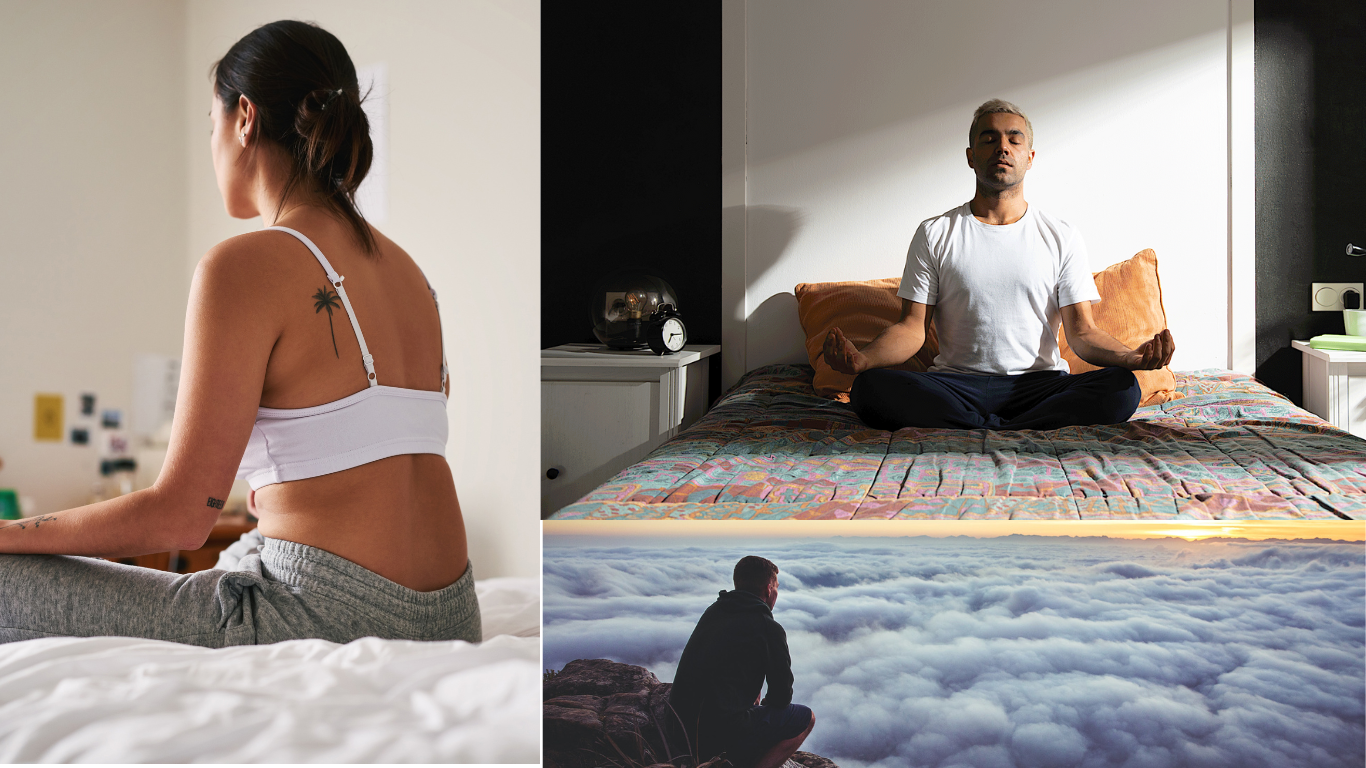
(Photo: Getty Images; Getty Images; Pexels)
The way you approach your morning sets the stage for the rest of your day, or so you’ve heard countless times. Starting your day by frantically replying to emails? You’re infusing a sense of urgency and reactivity into everything you do. Feeling exhausted and behind before you’ve even gotten out of bed? That unwanted and unrelenting lethargy can linger as a result. Making time for a quick 10-minute morning meditation before doing almost anything else? You’re prioritizing self-care and taking a moment to actually feel like yourself before the day begins.
Benefits of 10-Minute Meditation
Sitting quietly with yourself can be profoundly beneficial. It’s well researched that meditation can improve elements of your physical, psychological, and emotional well-being, including:
- Better sleep
- Decreased stress levels
- Improved mood
- Increased feelings of well-being
- Enhanced mental clarity
- Pain management
- Lowered blood pressure
Amazingly, you don’t need to meditate for hours in order to reap the benefits. In one study, many participants who had never practiced mindfulness self-reported improvements in their depression and anxiety levels after practicing ten minutes of meditation every day for 30 days. Of course, the effects of meditation will vary among individuals; however, it may be that consistent practice (once a day or several times per week) is more important than the length of practice (how many minutes you meditate).
Why Meditate in the Morning?
Though it’s arguably never a bad time to meditate, a morning practice can be particularly advantageous. Bringing intentionality to your early day through morning meditation allows you to experience the calming and focusing benefits of the practice throughout the rest of your waking hours.
ADVERTISEMENT
Research suggests that self control may be strongest in the hours after waking. That reserve of self-regulation may make it easier to maintain your focus during meditation, a boon if you find it daunting to sit still.
Early morning is also a time when you may be less likely to be interrupted, which means you’re more likely to create a habit of meditating. Patterned behavior can benefit you in numerous ways, including a healthier lifestyle, although morning routines and rituals have drawn significant attention and research in recent years regarding their ability to center your thoughts and create a proactive, rather than reactive, approach to the day.
In the morning, many of us tend to feel “rushed, frustrated, and in a perpetual state of trying harder,” says Kendra Adachi, New York Times best-selling author and creator of The Lazy Genius podcast. It’s an easy habit to fall into unless you bring in some awareness.
Not only does the mere presence of a morning routine allow you to set yourself up to be calm and focused, she says, “I think that a morning routine helps you feel like yourself so that you’re not frantically searching for yourself throughout the day.”
ADVERTISEMENT
10-Minute Morning Meditations
What you do in the morning sets the tone for the rest of the day. Taking a moment for yourself—whether you sit quietly on your own or practice these guided morning meditations—can remind you that you can’t control everything that happens throughout the day, but you can control how you show up.
1. 10-Minute Mindfulness Meditation by Calm
After starting your day with this slow-paced body scan meditation set to the gentle sounds of birds chirping, a stream bubbling, and wind whooshing, you may never return to your current morning ritual of mentally listing (and stressing about) everything on your to-do list.
ADVERTISEMENT
2. 10-Minute Guided Meditation for Positivity, Gratitude, & Joy
If you’re looking to start your day promoting feelings of safety, warmth, and comfort, this practice by Lavendaire can help you do that. You’re prompted to bring to mind the things and people in your life for which you’re grateful, and even to thank your body for all it does. It offers the opportunity for a refreshing mindset shift—especially if you’re used to checking Instagram first thing.
3. 10-Minute Meditation for Stress by Headspace
You’re not alone if you wake up stressed. In that case, you may want to try an extra calming morning meditation. This practice by Headspace may do the trick. Set to silence, the narrator cues you to feel the sensations in your body, breathe, and “allow the mind to do its own thing”—a reminder you don’t have to control your thoughts to let them go.
This article has been updated. Originally published January 20, 2015.

