Updated June 26, 2025 03:37PM
If you buy through our links, we may earn an affiliate commission. This supports our mission to get more people active and outside.Learn about Outside Online's affiliate link policy
This Trippy 2020 Cartoon Is Actually Profound AF. Here Are 5 Takeaways.
Some of the best lessons come from unexpected places.
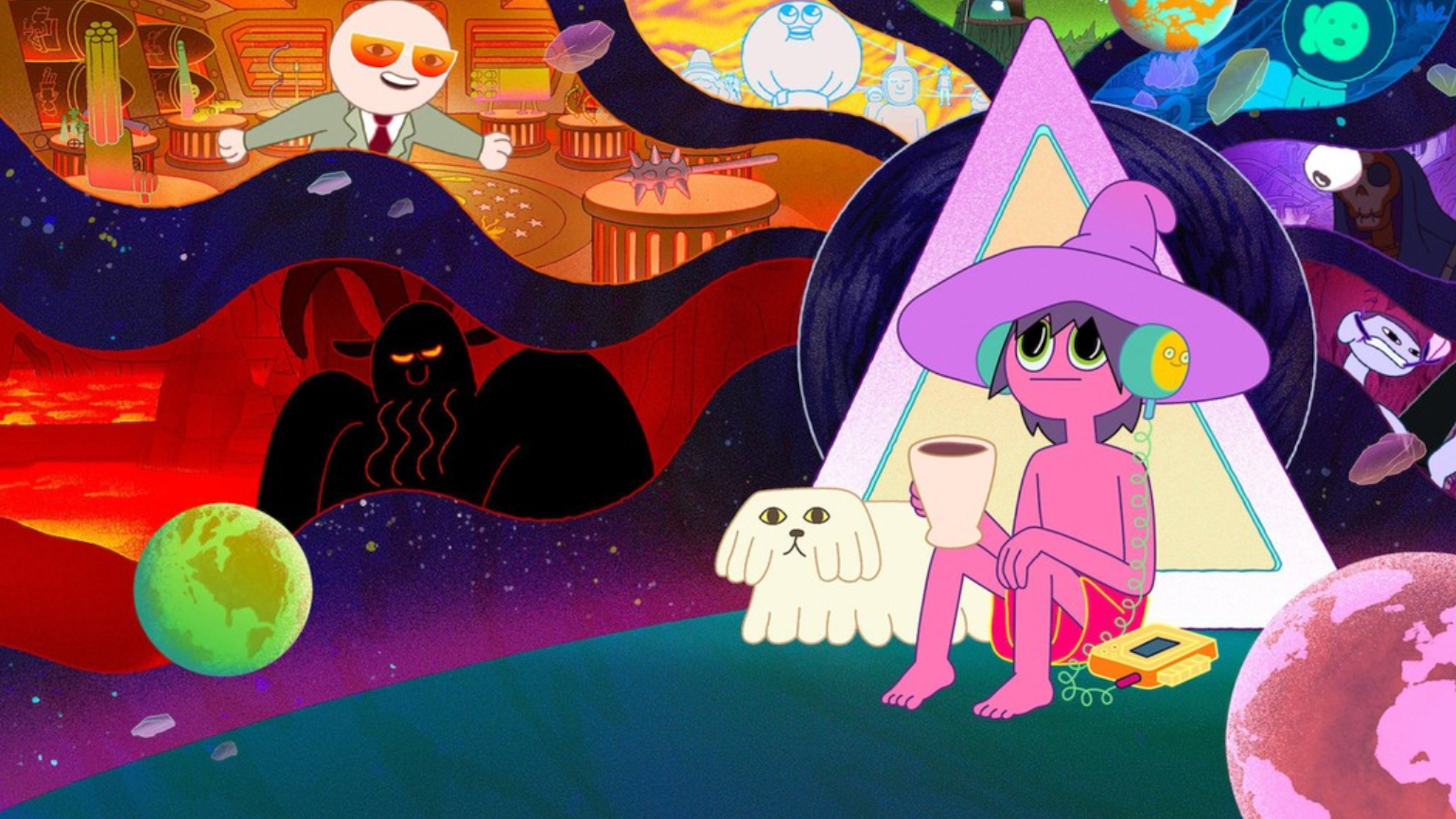
(Photo: Netflix Promotional Images)
Insights from the universe can come in unexpected forms. The familiar shadows cast by a tree. A spine-tinging melody. Even a single season of a strange, splashy, somewhat disturbing cartoon. If you’ve ever caught an episode of The Midnight Gospel, you know exactly what I mean.
I stumbled upon the show just after its release in April 2020, a time that found me (and everyone) spending far more time at home. Between readings from The Wisdom of Insecurity by Alan Watts, joining online dance classes (camera off, of course), endless breathwork sessions, and moderately successful sourdough attempts, small-yet-life-affirming distractions filled my days. When I selected the psychedelic-seeming cartoon from my Netflix menu, I wasn’t expecting to add it to my list of meaningful things.
Created by animator Pendleton Ward and comedian Duncan Trussell, The Midnight Gospel is a vehicle for some seriously profound conversations. The show follows a “spacecaster” (a podcaster in space) named Clancy (voiced by Trussell) as he adventures via simulator through the highly saturated Chromatic Ribbon dimension while engaging in discussions around the human condition.
Amid global uncertainty and sans context, this brain-bendy show and the wisdom it offered seemed a welcome gift from out of nowhere. But it turns out that each of the eight talks are pulled from creator Trussell’s podcast, Duncan Trussell Family Hour. Figures includingaddiction medicine specialist Dr. Drew Pinsky, author Anne Lamott, and meditation teacher Trudy Goodman are transformed into animated alien creatures, each joining Clancy to talk about life while on romps through space.
The Midnight Gospel is an encapsulation of a crazy time, and the perfect show for those who see the connection between the deep and the absurd. You’ll come away wiser—and your own world may become more colorful, too.
ADVERTISEMENT
5 Things I Learned in the Chromatic Ribbon
These insights, served up amid some serious chaos, are sure to resonate.
1. A Healthy Mind Accepts Reality
Pinsky features in “Taste of the King,” an episode that delves into drugs and meditation against the backdrop of a post-zombie-apocalyptic planet.
ADVERTISEMENT
“One of my favorite statements is that health is about accepting and perceiving and dealing with reality on reality’s terms,” says Pinsky as the characters make their escape from a giant, fleshy monster, setting up camp in the woods.
2. Healing Isn’t Simple
“Officers and Wolves” features a conversation with Lamott and film producer Raghu Markus around death, dying, and healing (along with a whole lot of mush and gore).
“The stuff that enlivens us and heals us doesn’t come on bumper stickers, you know?” says Lamott before the characters are pulverized and sent through an interminable glass tube. “It’s hard fought.”
3. Listening Requires Self-Awareness
In “Blinded By My End,” Goodman and Trussell (or Trudy the Love Barbarian and Clancy) discuss forgiveness, active listening, and human connection.
“I think to listen to each other requires a little bit of mindfulness,” says Goodman from the back of a slimy green horselike creature while entering a mushroom kingdom. “We have to learn to recognize what’s going on in our own minds while we’re listening. How do you be aware that you’re actually thinking about something else when someone is talking to you?”
ADVERTISEMENT
4. Maybe Giving Up Hope Is a Good Thing
“The Annihilation of Joy” finds Clancy and Soul Bird, voiced by author and podcaster Jason Louv, unpack existential dread and belief systems. The talk ultimately leading to this helpful, and maybe even hopeful, moment is shared while the characters attempt to escape a prison planet of lost souls.
“The moment you accept things as they are, you don’t need to hope anymore, because you realize that where you are is kind of okay,” says Louv.
5. Your Brain Can Be More Spacious
Songwriter and Buddhist teacher David Nichtern makes an appearance as his animated self in episode “Vulture With Honor” by helping Clancy (who is now some sort of quid in a cowboy hat) untangle his limbs and his thoughts.
ADVERTISEMENT
“If you’re caught up in your story, it’s like living in a tiny apartment with just enough room for you and your mattress,” says Nichtern. “The moment you get a little space between yourself and your thoughts, it’s like moving into a much bigger house. Then there’s room to invite people in.”
