Published June 25, 2015 06:06PM
10 Things Yoga Newbies Must Know
We dove into Yoga Journal's 40 years of archives and pulled some beginner classics. Here, an introduction to this timeless practice.

Yoga Journal is turning 40 this year. If you’re just getting started with the practice and missed our first four decades of yoga exploration, not to worry. We dove into the archives to pull together some of YJ’s classic content for beginners. Here, an introduction to this timeless practice.
1. Talking with your hands will become second nature.
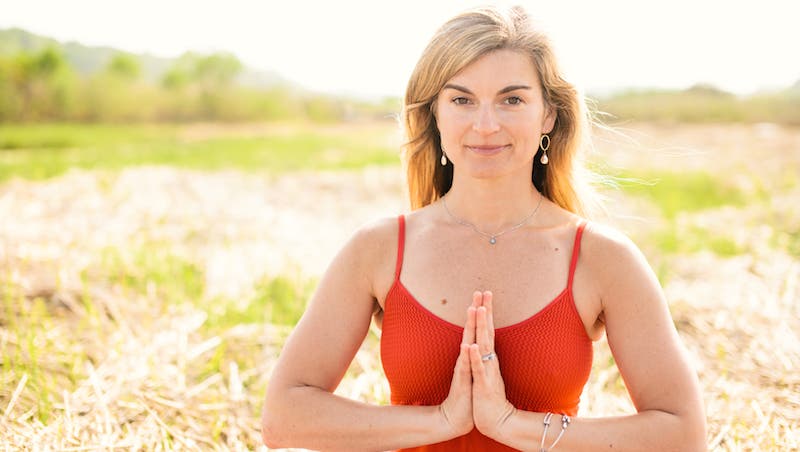
If you’ve been to a yoga class, you’ve seen Anjali Mudra, also called “Salutation Seal,” “Prayer Position,” or even “Namaste” (after the greeting that often accompanies it). Learn more about what you’re saying with your hands and how to use this gesture in yoga practice.
READ Shiva Rea’s Exploration of Anjali Mudra
2. THIS is a yoga pose.
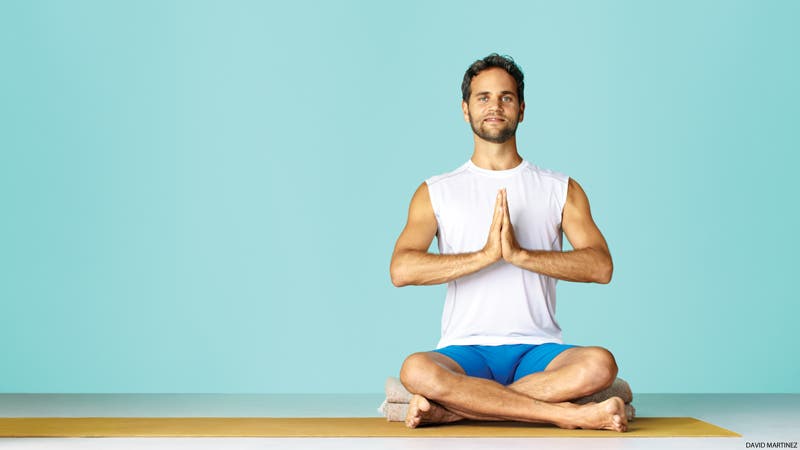
If you can find a way to sit comfortably, you can do yoga. Sukhasana, or Easy Pose, (shown here) is the go-to. Channel your inner kindergartener and try this familiar shape from childhood. Notice how it simultaneously cultivates a feeling of groundedness and vitality, making it the perfect place to set an intention for your practice or to turn inward for a few moments of meditation.
LEARNAll About Sukhasana (Easy Pose)
ADVERTISEMENT
3. The Sun Salutation is indispensable.
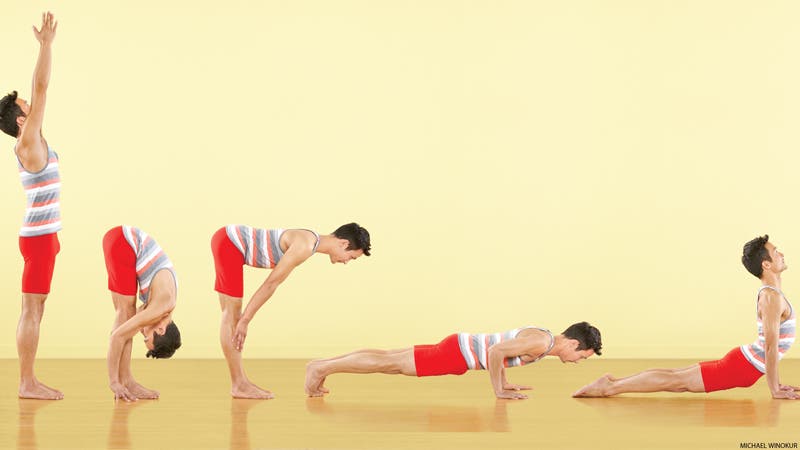
If you practice yoga, you’ve no doubt done a Sun Salutation. And this sequence of poses is ubiquitous for good reason: it stretches, tones, and warms the whole body, making it perfect preparation for the rest of an asana practice.
LEARNHow + Why We Salute the Sun
4. Advanced asana starts with Plank Pose.
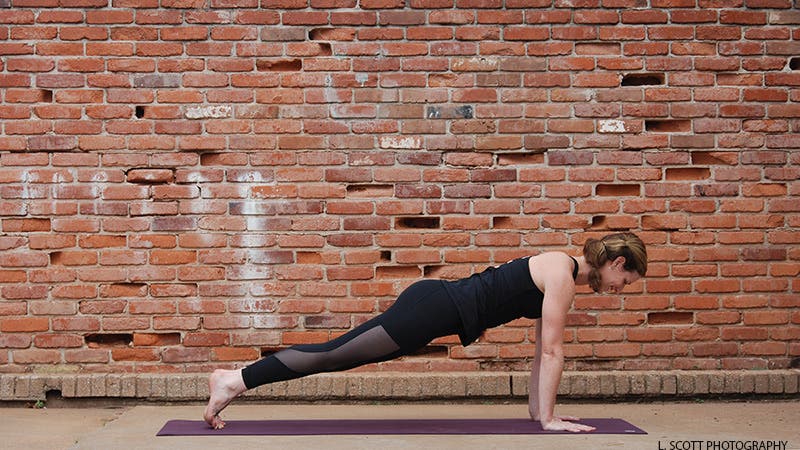
In yoga, we talk about “foundational poses,” or key asanas to know inside and out and return to regularly—no matter your level or experience. These poses help you build and maintain the strength and alignment to practice the more complex postures with integrity. If any pose is key, it’s this one.
READ Annie Carpenter’s Thorough Study of Plank Pose
ADVERTISEMENT
5. Chaturanga is a pose, not a transition. Make every single one count.

Instead of thinking of Chaturanga as a race from Plank to the floor, know that it is a fierce pose in its own right. Done slowly and with awareness, it will build the strength in your arms, core, and legs to support you through arm balances, backbends, and inversions.
FOLLOWThe Step-by-Step Yogapedia Guide to Chaturanga Dandasana
6. Doing everything more mindfully makes it more manageable.

You may have first tried yoga because you’d heard all the buzz about mindfulness. But if you’re wondering where the Buddhist concept fits into this Indian tradition, writer Nora Isaacs breaks down how bringing mindfulness onto the yoga mat can make muscling through your 30th Sun Salutation feel less like torture.
ADVERTISEMENT
LEARN How to Make Asana Practice More Mindful
7. The entire essence of yoga can be found in Revolved Triangle Pose.

Revolved Triangle Pose (Parivrtta Trikonasana) can be deceptively difficult. Beryl Bender Birch put it best: “The pose is a classic representation of what Patanjali, in the Yoga Sutra, describes as the union of sthira and sukha—effort and ease, hard and soft, expanding and contracting, ascending and descending, and solar and lunar.”
LEARN How to Strike Balance in Revolved Triangle Pose
8. It’s totally normal to be afraid of inversions.

Aadil Palkhivala explains that since we don’t routinely turn ourselves upside down in daily life, an “aversion to inversions is natural. But it’s a shame to let fear keep us from so many benefits and delights,” he says, referencing a Ralph Waldo Emerson quote:
“He has not learned the lessons of life who does not every day surmount a fear.”
Learn how to face fear and why it’s so worth doing.
EXPLORE A Beginners’ Guide to Inversions
ADVERTISEMENT
9. Backbends are not a go-big-or-go-home game.
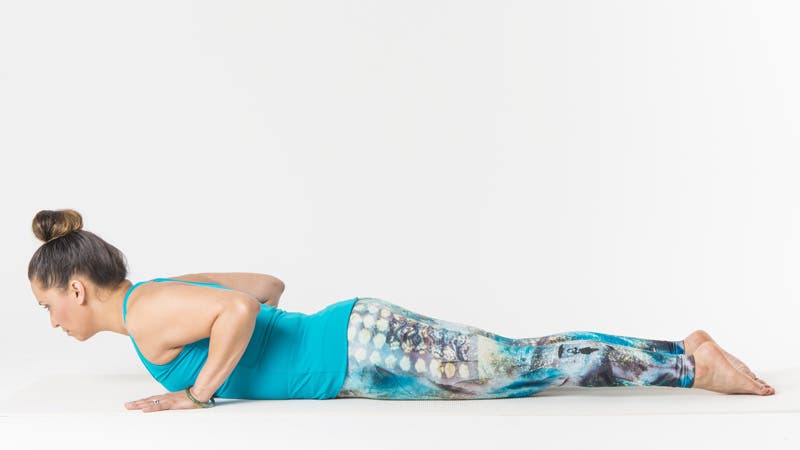
As you begin to introduce backbends to your practice, start with the basics: Sphinx Pose, Baby Cobra, and Cobra Pose. Jason Crandell explains you have to get over any ideas that size matters in backbends to find the patience to learn the foundational actions and build the strength for these poses.
LEARN How to Start a Backbend Practice
10. Yoga is so much more than asana.

Yoga goes far beyond the postures that wow us in Instagram pose pics. If the rest of the practice is still a little fuzzy to you, bring it into focus by reading up on yoga’s other seven parts.
ADVERTISEMENT
DISCOVERThe Eight Limbs of Yoga