Updated November 26, 2024 05:53AM
6 Pigeon Pose Variations That Deliver the Same Stretch in a Different Shape
There's always more than one way to practice.
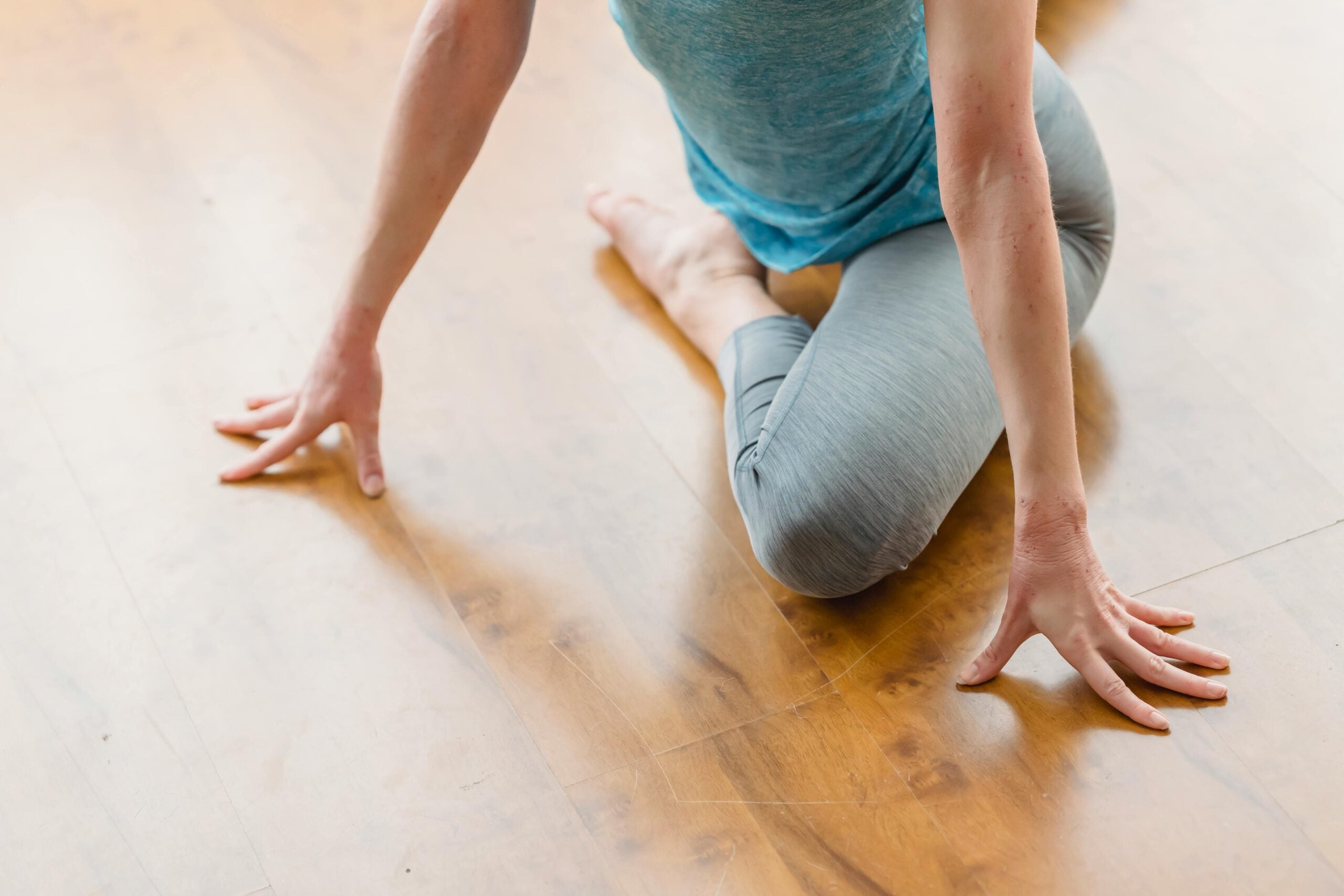
(Photo: Marta Wave | Pexels)
Pigeon Pose in yoga can be divisive. Some love it, others hate it, and many people feel both ways at different times. What might help mend our love-hate relationship with the posture is the fact that we can still benefit from it without actually practicing the common version.
There are many Pigeon Pose variations that stretch the same muscles, offer a similar release, and suit many impromptu practice spaces. I’ve done Pigeon variations on rooftops, planes, in restaurants, and even once at a natural history museum. To me, these poses are portals into the present moment, giving me an opportunity to slow down, let go, and arrive.
Yoga is not about where you practice or how a pose looks. It’s about how it feels.
Anatomy of Pigeon Pose Variations
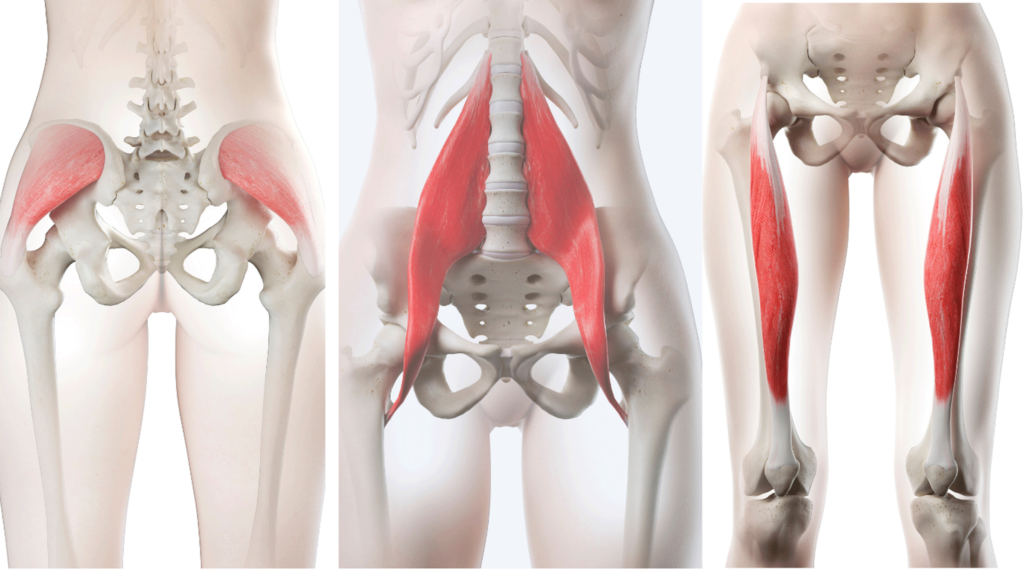
The most common version of the pose stretches the hip flexors, psoas, glutes, hamstrings, and thigh muscles, although some find the stretch in Pigeon Pose in yoga to feel strenuous on their front knee, hip, or low back. There are variations that deliver many of the intended sensations as the common version of Pigeon. Some are seated and reclined postures that help relieve some of the pressure from the knee and hip joints.
ADVERTISEMENT
Variations to Practice Instead of Pigeon Pose in Yoga
The following postures stretch the same muscles as Pigeon including the hip flexors and glutes.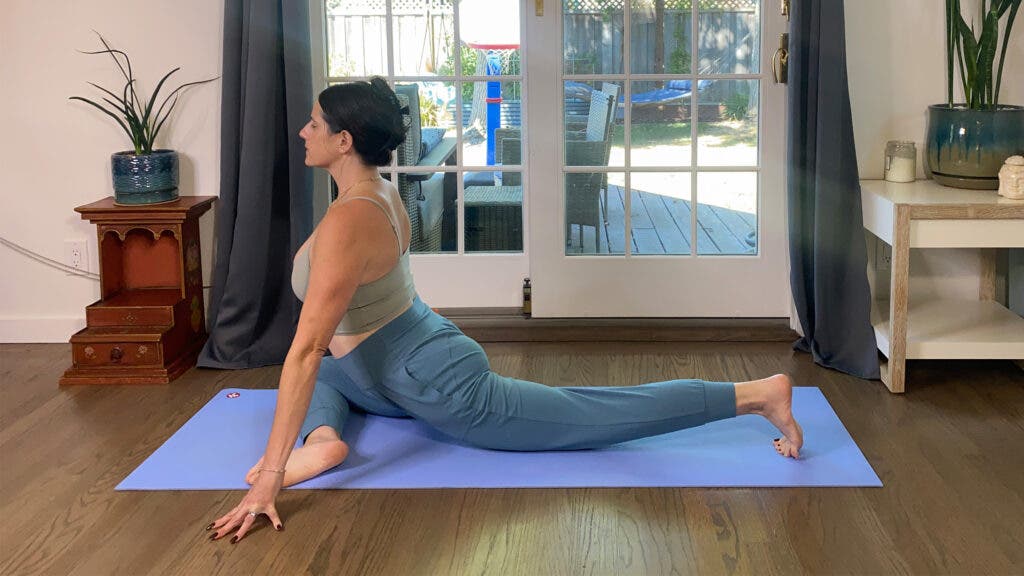
1. Upright Pigeon Pose
The outer hip of your front leg gets a lot of attention in Pigeon, which is one reason it’s considered a hip-opener. But the stretch along the hip flexors of your back leg also constitutes hip-opening. Keeping your chest upright in this variation intensifies the latter stretch.
ADVERTISEMENT
How to: From Pigeon Pose, rather than folding forward, straighten your arms and remain upright. Press your hands or fingertips against the mat or blocks. Stay here or tuck your back toes and press through your back heel. Take 5-10 breaths, then switch sides.
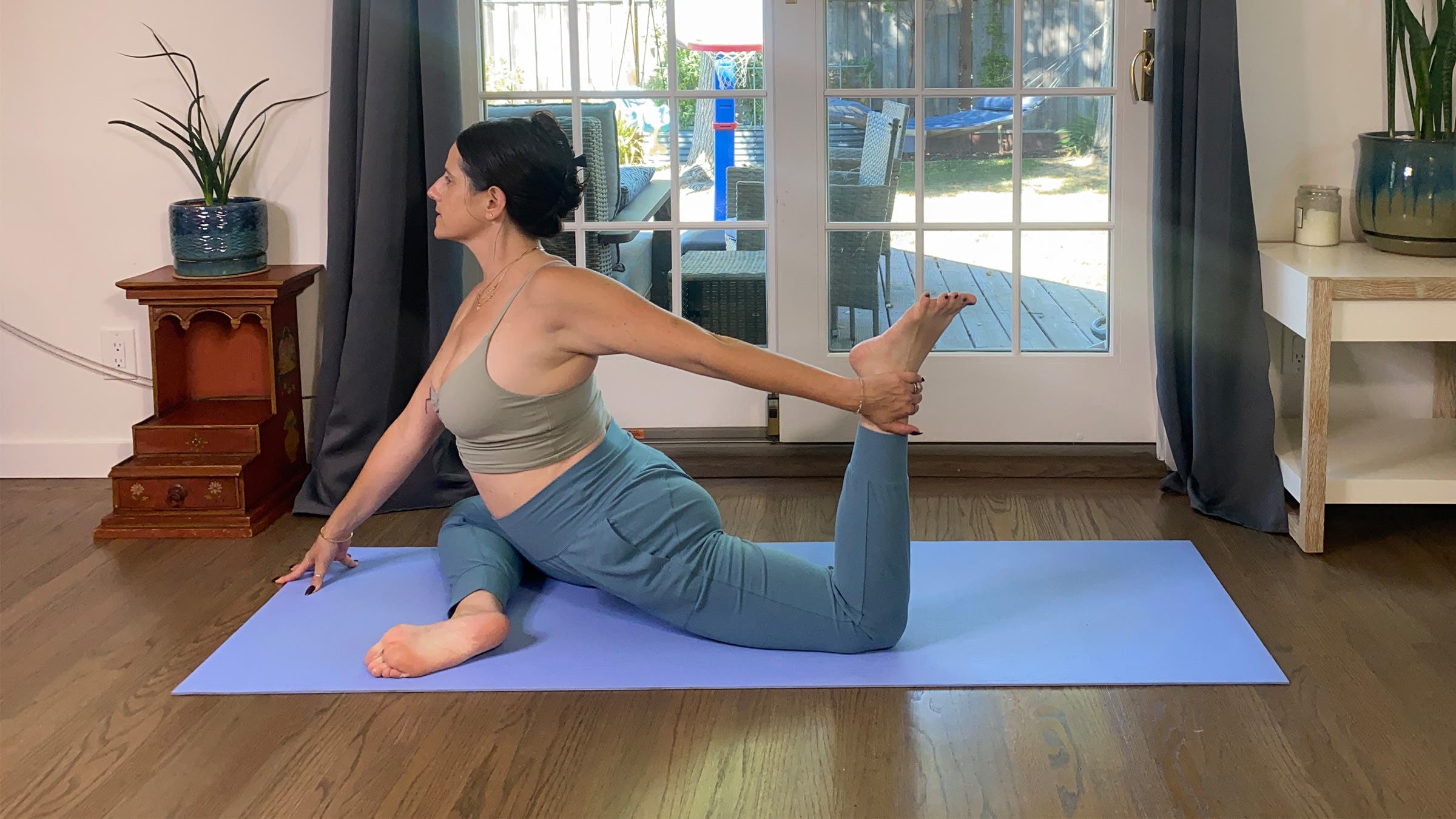
2. Pigeon With Your Back Foot Lifted
Building on the previous pose, this variation intensifies the hip flexor stretch in your back leg. Avoid overstretching here by using a block or blanket underneath your hip for support.
How to: From Upright Pigeon, bend your left knee. Reach back with your left hand and grasp your outer ankle or wrap a strap around your foot and hold onto both ends. Press your right fingertips into the mat or a block to help steady yourself. Place a block or folded blanket underneath your right hip for support. Stay here or practice grasping your ankle with your right hand to challenge your balance. Take 5-10 breaths here, then switch sides.
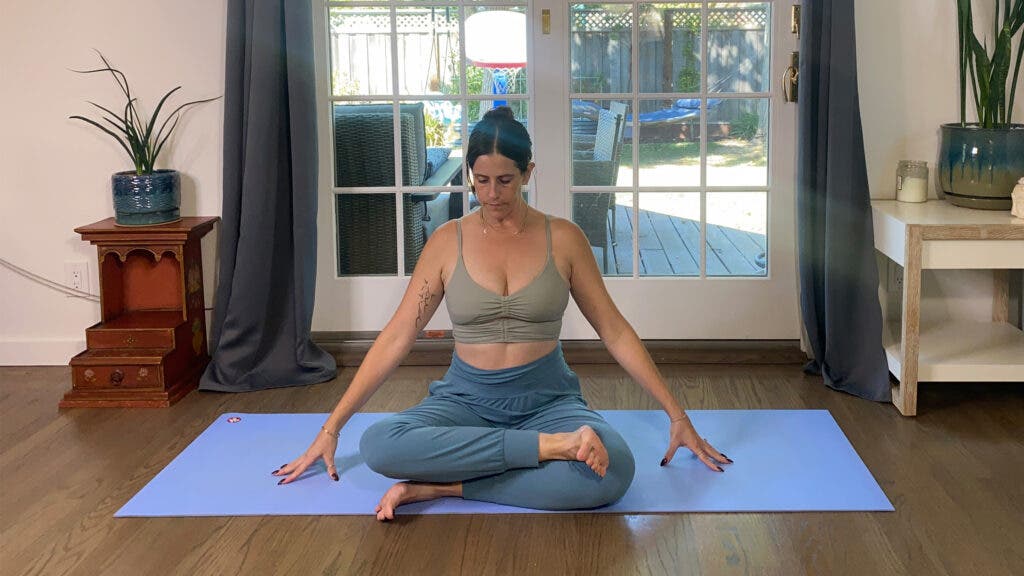
3. Double Pigeon or Fire Logs (Agnistambhasana)
The stretch in your outer hips in this seated variation can feel more intense than the common version of Pigeon Pose in yoga. Listen to your body and don’t force it.
ADVERTISEMENT
How to: Sit on the mat in a cross-legged position. Stack your right knee over your left ankle and your right ankle over your left knee. If there’s a gap between your knee and ankle, fill that space with a folded blanket to support your top knee. Remain upright or fold forward. Stay here for 5-10 breaths, then switch legs.
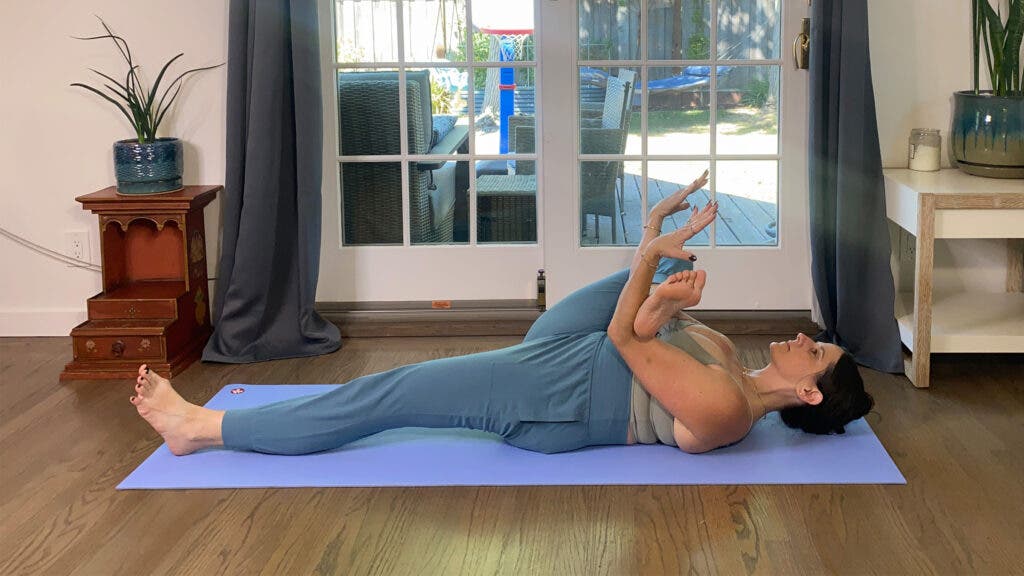
4. Pigeon on Your Back (Reclined Figure 4)
If it feels like gravity pulls the weight of your body past its comfort level in the common version of Pigeon Pose, lying on your back can give you better control over your range of motion.
How to: Lie on your back and draw your right knee toward your right shoulder. Cross your right ankle toward your left side and flex your right foot. Keep your left leg straight or bend your left knee with your foot flat on the mat. Grasp the bottom of your right shin or curl your arms underneath it. Bend your elbows as you gently draw your right shin toward you. Stay here for 5-10 breaths, then switch sides.
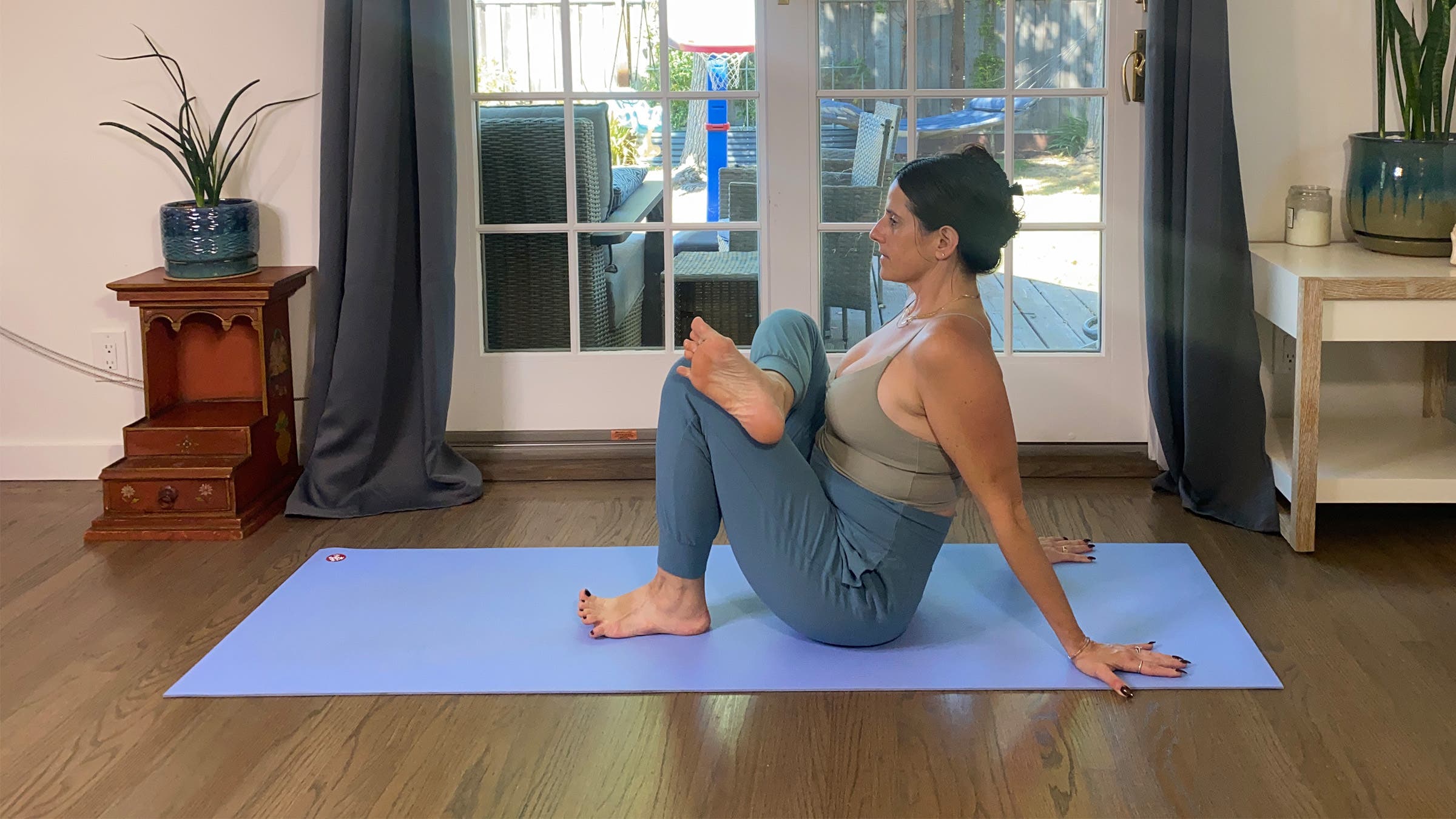
5. Seated Pigeon (Seated Figure 4)
If it’s not comfortable to sit on the mat in this pose, skip to the next variation (which is the same stretch while seated in a chair).
ADVERTISEMENT
How to: Sit on the mat with your legs straight out in front of you. Bend your knees with your feet flat on the mat. Cross your right ankle over your left thigh and flex your right foot. Press your hands into the mat slightly behind your hips for support. Sit up tall. For a more intense stretch, gently push your right knee away from you or slide your left foot closer or farther away from you. Stay here for 5-10 breaths, then switch sides.
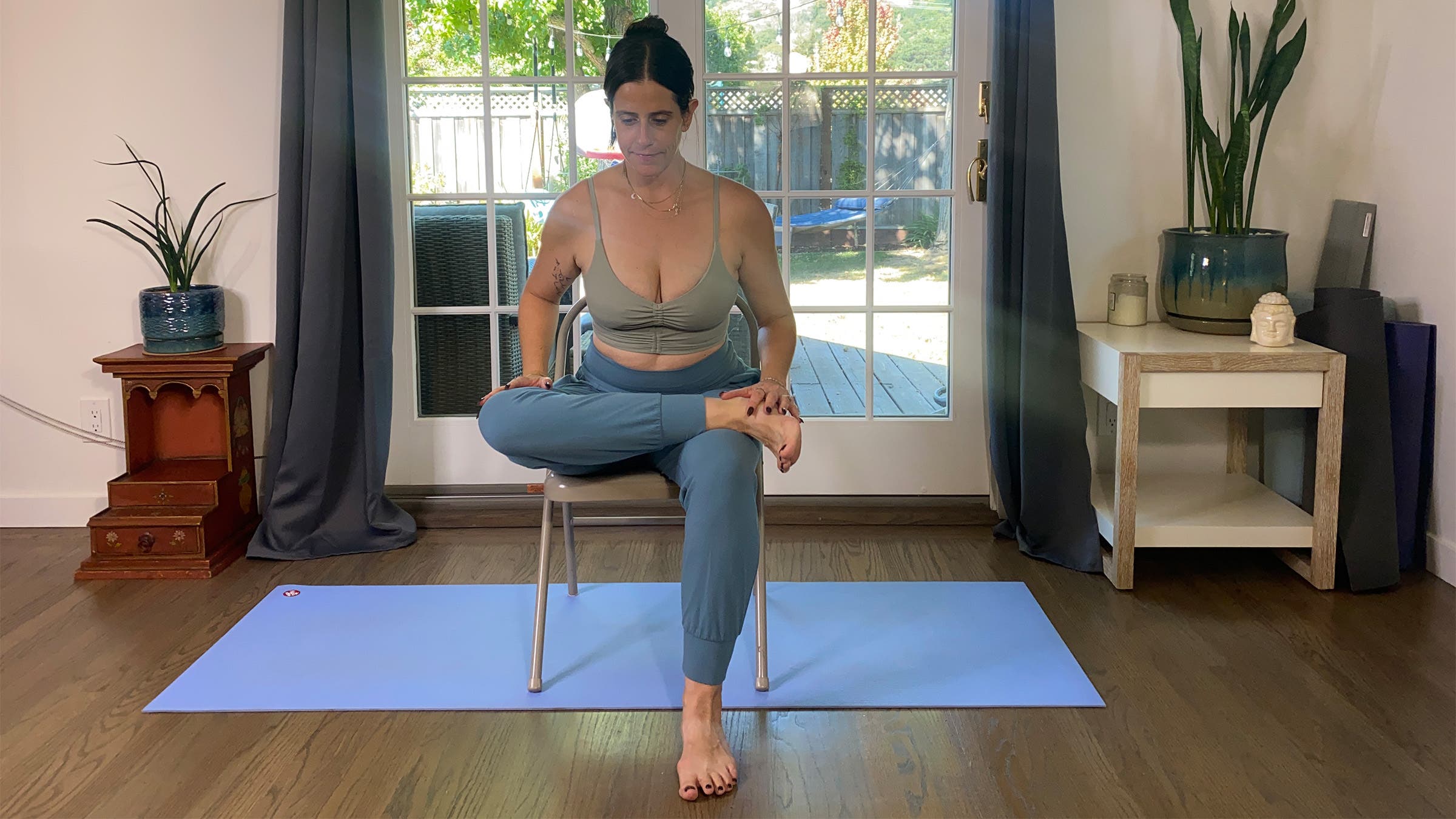
5. Pigeon in a Chair
Sitting in a chair provides support and balance, allowing you to isolate the stretch along the outer hip of your top leg.
How to: Sit on a chair and separate your feet hip-width apart. Cross your right ankle over your left thigh. Use your hands to bring your ankle in place. Flex your right foot. Remain upright or hinge forward for a more intense stretch. Stay here for 5-10 breaths, then switch sides.
This article has been updated. Originally published May 22, 2018.
