Published October 8, 2021 12:25PM
Feeling Spacey and Ungrounded? Your Vata Dosha Might Be Out of Balance
With the arrival of fall also comes vata season, which can bring physical and emotional disruptions no matter your constitution. Here's how to find relief.

(Photo: Getty Images)
As the weather turns cooler, we’re not just welcoming the arrival of fall, but also vata season. In Ayurveda, the seasons are divided into three, with each governed by a different dosha—pitta, vata, and kapha—all of which have distinct qualities, or gunas.
Similar to how individuals can have an abundance of one or two doshas, certain doshas are predominant during different seasons, as well. Vata is prominent from the late fall, when the weather turns colder, through the early winter. During this time, people who have more vata in their constitution may experience more dryness of the skin, hair, and nails, constipation, bloating, and potentially anxiety or restlessness. All of us, regardless of our dosha, will experience some of these symptoms to a degree during vata season.
Keeping our doshas balanced through diet and nutrition, lifestyle changes, and herbs is essential in promoting well-being and preventing disease—during vata season and every season. But how can you adjust your life to manage the excess of vata coming your way? Read on.
See also: 10 Things Only Vatas Will Understand
ADVERTISEMENT
Qualities of the vata dosha
The vata dosha is governed by the elements of air and space. Some of its qualities include light, dry, sharp, mobile, and cold, which is why fall is considered to be vata season in Ayurveda. The cooler days and rapid changes in our environment, like the drying and shedding of leaves, are all due to the energies vata brings. The accumulation of air and space during this season makes it easy to feel ungrounded or anxious.
What are the signs of a vata imbalance?
A vata imbalance is directly related to an excess amount of air and space. When these elements become predominant in the body, they can create emotional and physical disruptions, and even lead to disease in the long term. Some symptoms of vata imbalances include:
- Spacey, racing mind
- Anxiety
- Restlessness
- Difficulty sleeping
- Constipation
- Bloating
- Dry skin
- Joint pain and cracking
How can you balance excess vata?
During the fall and early winter months, it’s important to balance an accumulation of vata with its opposites. So, in order to balance an excess of the vata qualities of light, dry, sharp, mobile, and cold, we’ll need to lean into warm, moist, heavy, and slow in all areas of our lives. Warmth, serenity, nourishment, and a stable routine should be prioritized during vata season to keep your mind and body healthy and balanced. Avoid packing your schedule full, running from place to place, eating quickly, and eating things that are cold and dry, like iced beverages and snacks like chips and crackers.
ADVERTISEMENT
Shift your daily routines & practices
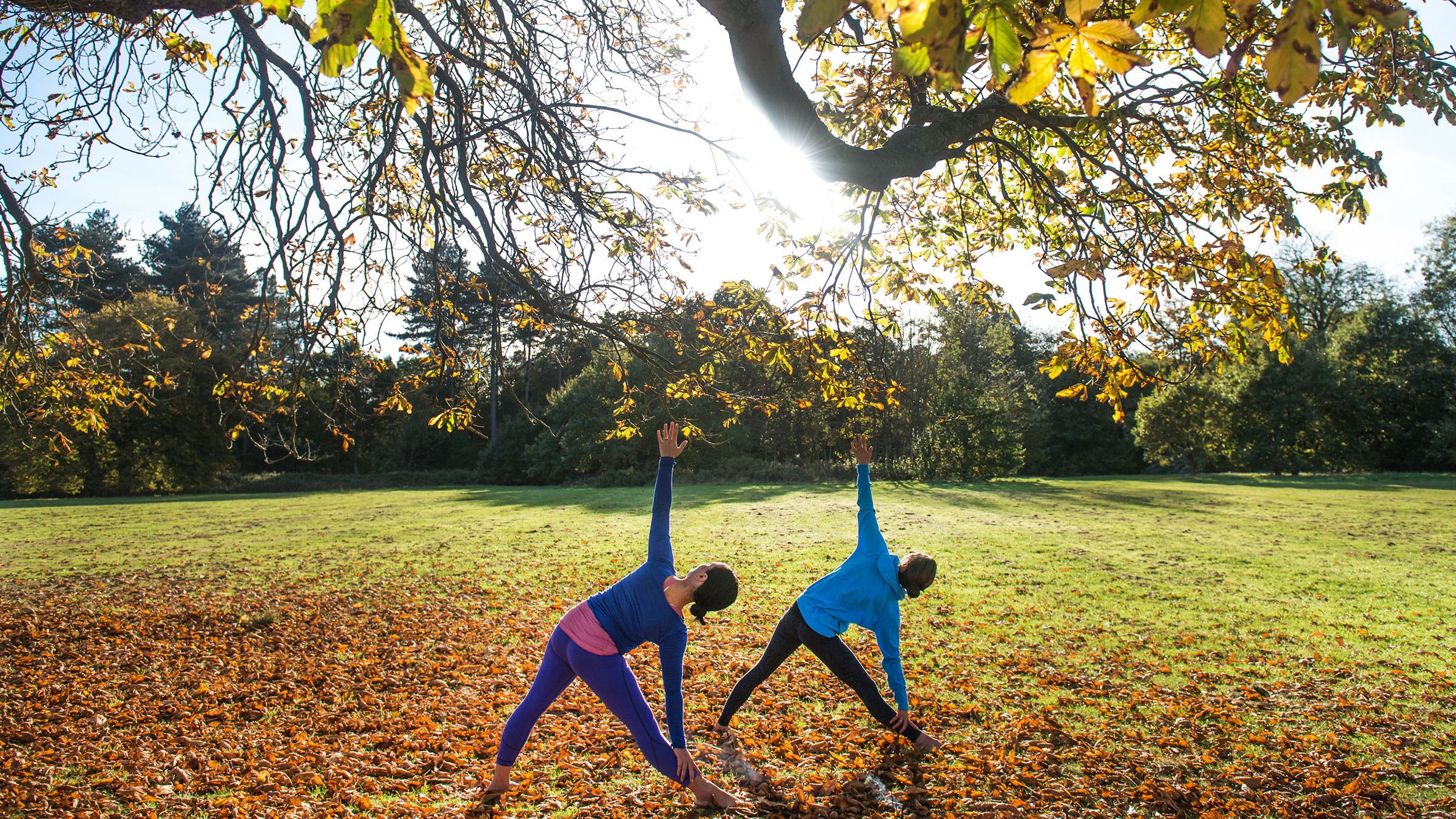
Vata has a very quick and sharp nature, so favor movement that’s slow and intentional, and where you can be fully present. When vata acts up, it’s natural to feel like your thoughts are quick and flighty and like you want to move quickly.
Luckily, the practices of yoga, meditation, and Ayurveda provide ways for us to sync our bodies to the cycles of nature, balance any excessive energies, and experience the wisdom each season has to offer. Here are some ways to do just that:
- Mindful movement. Practicing slow, gentle yoga, mindful walking, and intentional stretching are great ways to move vata energy.
- Meditation. Incorporating meditation every day for at least five minutes, while intentionally focusing on slowing your breath, is an excellent way to calm excess vata.
- Daily routines. Slow down your daily rituals and routines during this time—no rushing through your mornings and evenings to get on with your day. Create a daily schedule where you do your routines at the same time for a sense of security and consistency.
- Abhyanga. If you’re not already, consider adding abhyanga, a daily Ayurvedic self massage, to your routine. In the morning, use a grounding oil like sesame, or an Ayurvedic formula like Mahanarayan oil to massage your body using slow strokes downward and circles at the joints to help lubricate and encourage proper circulation.
- Seek comfort. Prioritize creating a warm, relaxing, and safe space to retreat and ground down this fall. Clean up your space and add blankets, beeswax candles and warm colors to create a cozy atmosphere you can unwind in.
See also: 10 Grounding Poses to Balance Your Vata Dosha This Fall
ADVERTISEMENT
Warm up your diet with spices and herbs
Diet and nutrition are integral parts of Ayurvedic medicine. The food that you eat and herbs and spices you incorporate in your life can be great medicine and help balance your doshas. Choosing foods, spices, and herbs with opposite qualities of the dosha you are balancing is an important part of pacifying a dosha imbalance. During the fall, it is important to choose foods, herbs, and spices that are warming, moist, and heavy to balance excess vata,
You might naturally be drawn to warm, moist, and well-spiced foods during this time, which makes sense as these help balance vata. Some foods with moist qualities are nuts, seeds, ghee, and oils. Favor drinking hot water, hot tea, and warm soups when you can. Some other balancing foods for vata include:
- Sweet potato
- Root vegetables
- Banana
- Papaya
- Meats
- Broth
- Dates
When it comes to spices, you might feel drawn to those that are robust and pungent, like cinnamon, ginger, pepper, clove, and turmeric. These spices all have heating qualities, which helps stimulate our digestive fire, allowing for easier digestion and elimination as well as pacifying the excess cold that a vata imbalance can cause.
ADVERTISEMENT
Herbs are another powerful way to balance our doshas. Generally, herbs with warming and grounding qualities are used to pacify excess vata, like ashwagandha, brahmi, tulsi, chamomile, and more.
A calming fall elixir
- ½ tsp ashwagandha
- 1 tsp brahmi
- 1 tsp chamomile
- Hot water
- Splash of almond milk
Mix together for a calming fall elixir to balance vata.
See also: 7 Ayurvedic Practices to Ease the Transition Into Autumn
